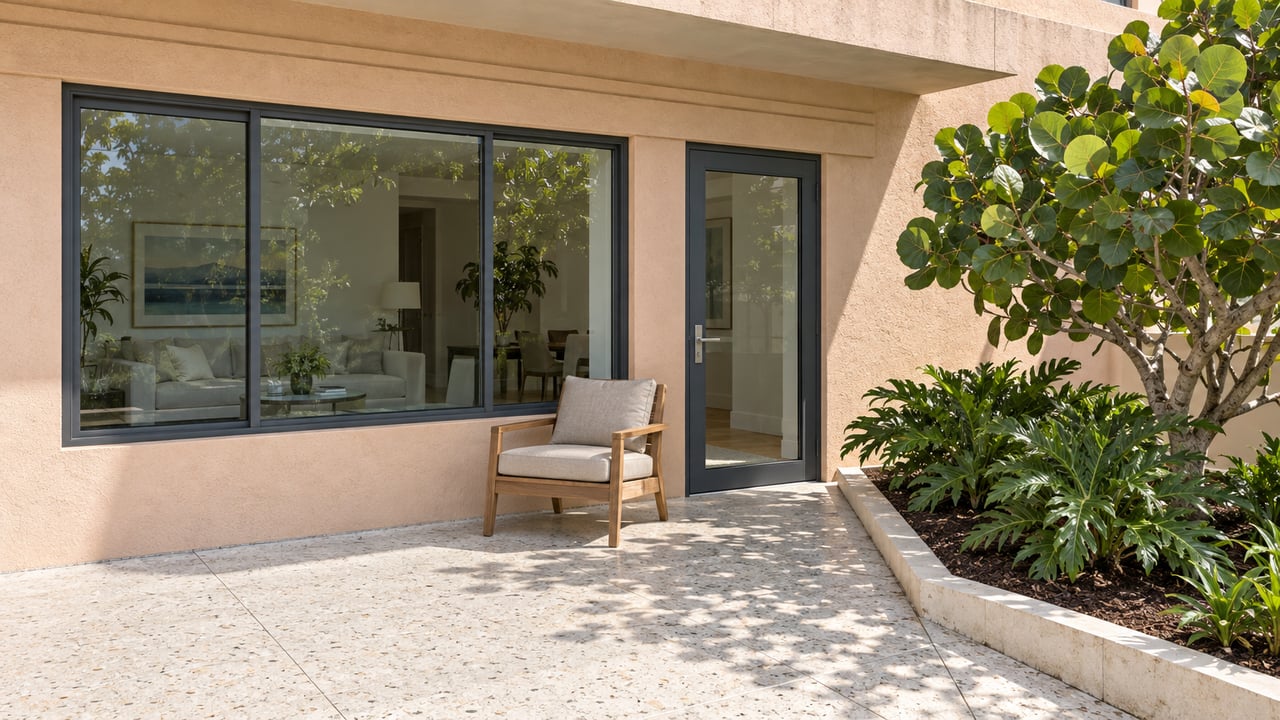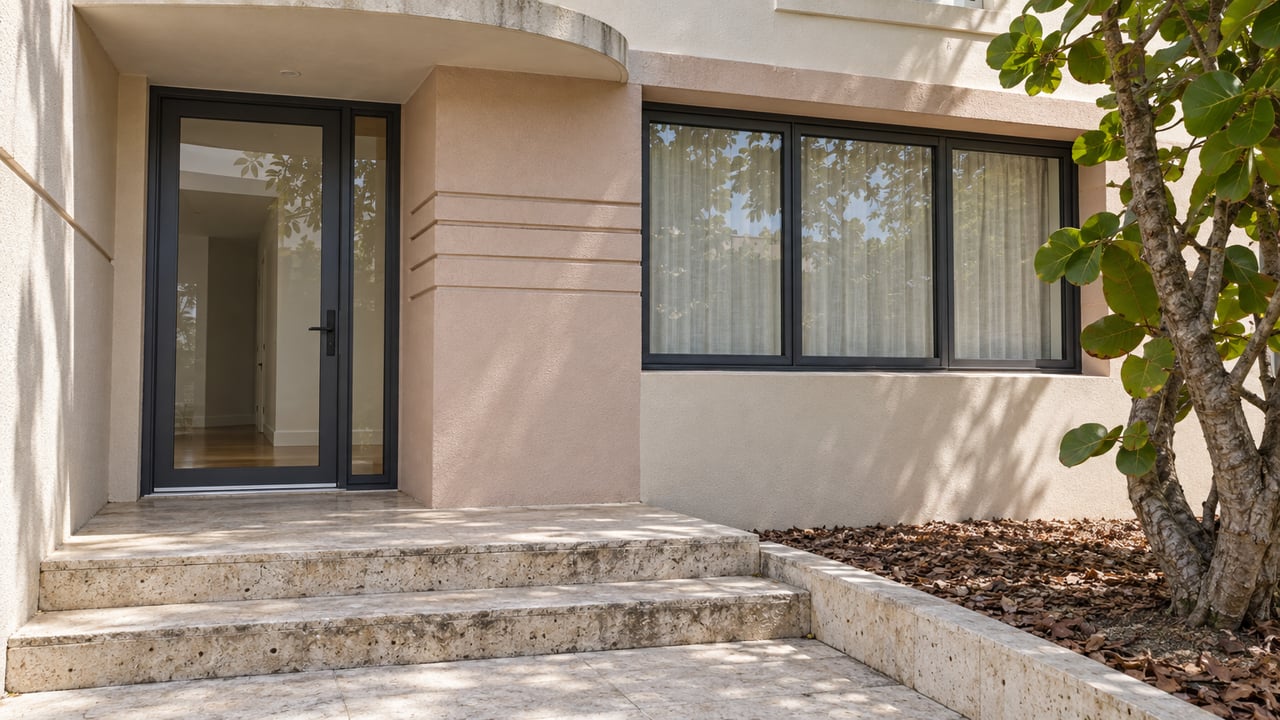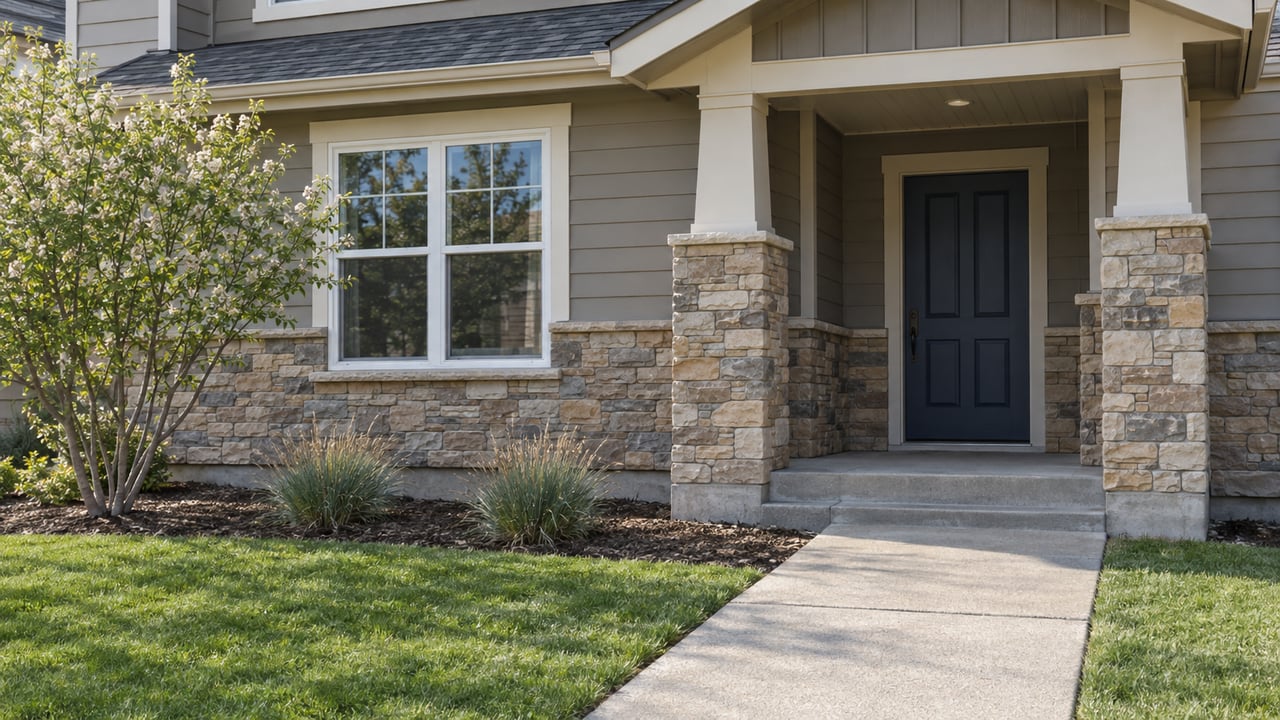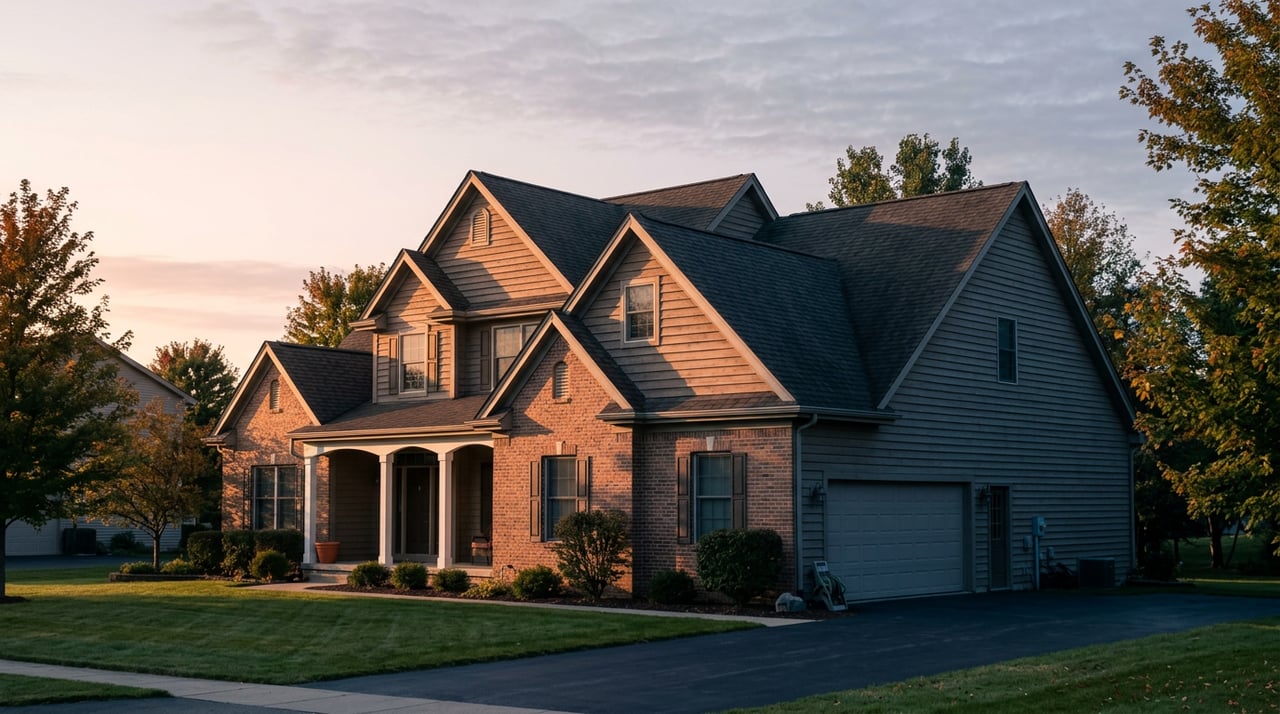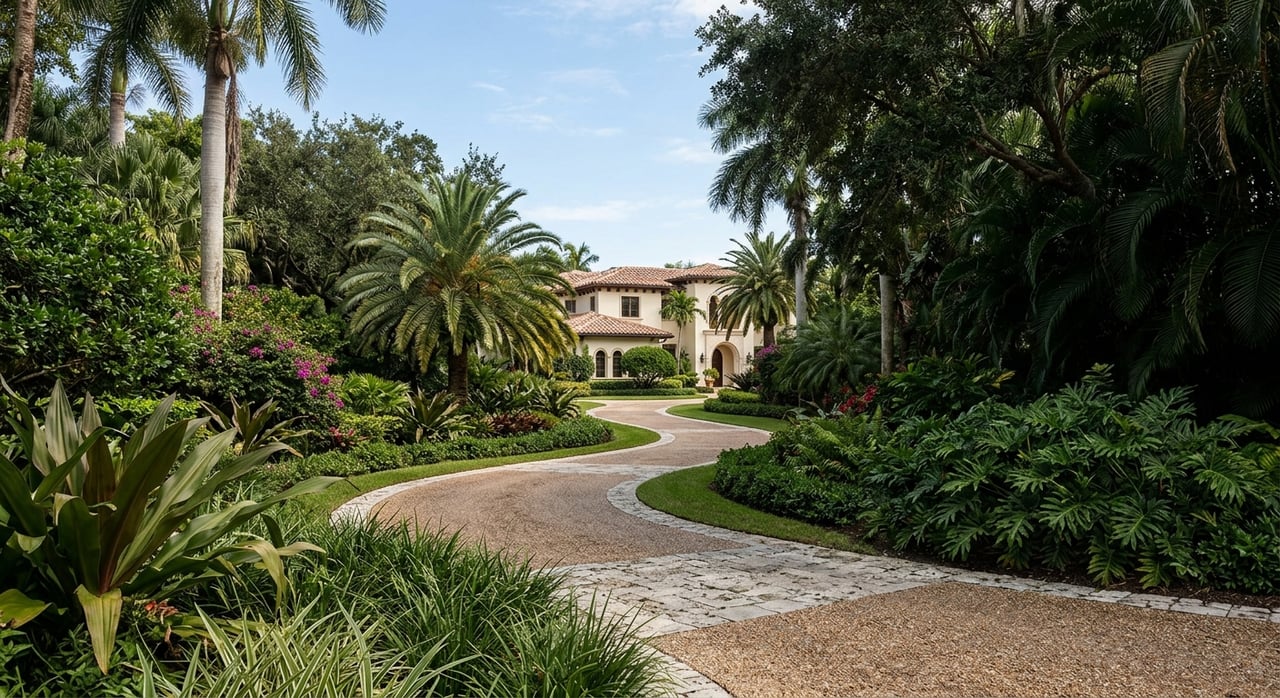
Looking for a place in Miami-Dade where luxury feels spacious, private, and grounded in the landscape? Pinecrest stands out for exactly that reason. If you want estate-style living with room to breathe, this guide will help you understand what creates that feel, what to compare from one property to the next, and why Pinecrest continues to draw buyers who want privacy without feeling disconnected from the rest of Miami. Let’s dive in.
Why Pinecrest Feels Distinct
Pinecrest is an incorporated village of about eight square miles located south of Downtown Miami and Miami International Airport. The village describes itself as a community of tree-lined streets and large estate lots, and that identity shows up clearly in its planning rules and residential layout.
The numbers help explain the market’s profile. The Census Bureau estimates Pinecrest had 18,981 residents in 2024, with an 82.8% owner-occupied housing rate. In the 2020 to 2024 Census window, the median value of owner-occupied homes was $1,406,400, and median household income was $206,417.
For you as a buyer, those figures point to a market shaped by long-term ownership, larger homesites, and a strong preference for residential stability. Pinecrest is not built around dense urban luxury. Its appeal is more about space, canopy, and a quieter estate-style setting.
Estate Zoning Shapes Privacy
A big reason Pinecrest reads as an estate market is its land-use framework. The village includes low-density estate designations such as EU-1C, EU-1, EU-S, and EU-M, alongside lower-density single-family zoning like RU-1.
These categories matter because they directly affect how much space surrounds a home. According to the village’s future land-use table, EU-1C allows one unit per 2.5 gross acres, EU-1 allows one unit per gross acre, EU-S allows one unit per 25,000 gross square feet, and EU-M allows one unit per 15,000 net square feet. RU-1 allows one unit per 7,500 net square feet.
The village’s comprehensive plan says these lower densities are intended to preserve open space, protect estate and single-family neighborhoods from incompatible encroachment, and maintain compatibility with natural features. In practical terms, that means privacy in Pinecrest often starts with planning policy, not just landscaping.
Setbacks Add Breathing Room
Setbacks are another major part of the equation. Pinecrest’s setback table shows deep front-yard requirements in several estate districts, including 50 feet in EU-1C and EU-1, 35 feet in EU-S, and 25 feet in EU-M and RU-1.
That extra distance from the street can make a real difference in how a property feels when you arrive. A home may have impressive square footage, but in Pinecrest, the sense of privacy often comes from how the home sits on the lot, how far it is from the road, and how the surrounding landscape frames the property.
Lot Configuration Matters Here
Pinecrest’s variance rules also highlight how central site layout is in this market. The village specifically addresses setback lines, lot width, street frontage, lot depth, landscape and open-space requirements, height, yard regulations, fences and walls, and signs.
For you, that means lot shape and buildable area should never be treated as minor details. In Pinecrest, they are part of the core value story of the property.
What Buyers Should Look At Beyond Square Footage
When you compare homes in Pinecrest, interior finishes and room count only tell part of the story. The village’s permit checklist requires site plans to show lot dimensions, easements, setbacks, lot coverage, second-floor area, impervious versus pervious area, flood zone, overall height, accessory structures, landscape plans, tree-removal plans, pool-barrier details, and driveway information.
That level of review tells you something important. Yard use, drainage, access, and buildable area are all part of the residential design process. In a market known for privacy and outdoor living, those site factors can shape your day-to-day experience just as much as the house itself.
Here are some of the most important items to review when comparing Pinecrest properties:
- Lot area and zoning designation
- Front, side, and rear setback limitations
- Tree canopy and existing landscaping
- Easements and usable yard space
- Impervious versus pervious area
- Pool placement and fence requirements
- Driveway layout and access
- Accessory structures and height limits
If your goal is true estate-style living, these details can help you separate a home that simply looks impressive online from one that actually delivers seclusion, flexibility, and long-term usability.
Trees Are Part of the Pinecrest Experience
Pinecrest’s landscape is a major part of its identity. The village is a Tree City USA community and says it has planted more than 10,000 street trees since 1997.
That tree canopy does more than improve appearance. It helps define the streetscape, adds visual buffering, and reinforces the sense that many Pinecrest homes sit within a mature residential setting rather than a tightly packed subdivision.
The village also has active tree policies. Its Adopt-a-Tree program offers free trees for the swale or low-bid trees for private property, and tree removal or relocation permits are required before a building permit when trees will be affected.
For buyers planning renovations or new construction, this matters. Mature trees can be a major asset for privacy and curb appeal, but they can also affect how a site is improved over time.
Outdoor Living Is Built Into the Pattern
If you are drawn to homes with pools, patios, and backyard entertaining areas, Pinecrest fits that lifestyle well. The village’s permit packet specifically calls out pools, pool decks, perimeter fences, and self-closing and self-latching gates, which suggests outdoor living features are a routine part of residential planning.
That does not mean every property will offer the same yard scale or layout. Pinecrest is not one single lot-size category. It includes estate pockets as well as more traditional single-family districts, so outdoor space can vary meaningfully from one micro-area to another.
Hardscape and Drainage Deserve Attention
Pinecrest’s comprehensive plan says redevelopment should reduce impervious area, use porous materials where possible, and capture and reuse rainwater. That is especially relevant if you are evaluating large driveways, expansive patios, cabana areas, or pool hardscape.
In other words, a large yard is not just about size. It is also about how the site handles drainage, how much of the lot is covered, and how future improvements may fit within village expectations.
Privacy Often Comes From Canopy and Depth
In many luxury markets, privacy is created with walls and hard edges. In Pinecrest, the planning framework and tree preservation approach suggest a different pattern. Privacy is often shaped by lot depth, mature canopy, and natural buffering.
That can create a softer, more established feel. For many buyers, that is a major reason Pinecrest stands apart from denser luxury options in Miami-Dade.
Daily Life in Pinecrest
Privacy matters, but so does convenience. Pinecrest offers both. The village says more than 750 businesses line the US1/Pinecrest Parkway corridor, giving residents nearby access to daily services while maintaining a largely residential setting.
The village also says it has five public schools and many private schools. If schools are part of your search, it is wise to verify current attendance boundaries and enrollment information directly with the appropriate providers.
Parks and Recreation Add Everyday Value
Pinecrest’s Parks and Recreation Department manages nine parks and offers more than 150 programs. Facilities include the Pinecrest Community Center as well as court and amenity reservations throughout the village.
Coral Pine Park is a nine-acre park with mature trees, a pineland preserve, five lighted tennis courts, four lighted pickleball courts, a multipurpose field, a shaded playground, and a pro shop. Other village amenities include Pawcrest Park, the only off-leash dog park in Pinecrest, Red Road Linear Park with a lighted canal-side path, and Veterans Wayside Park, a passive picnic area.
Pinecrest Gardens is another local landmark. Formerly Parrot Jungle, it was acquired by the village in 2002 and placed on the National Register of Historic Places in 2011. The village says it welcomes more than 140,000 visitors annually.
How to Compare Pinecrest Micro-Areas
One of the smartest ways to shop Pinecrest is to compare properties by micro-area, not just by price or bedroom count. Estate-style living can vary significantly depending on district designation, lot depth, tree cover, and how a particular block feels in person.
If privacy is your top priority, start by focusing on the EU-1C, EU-1, EU-S, and EU-M pockets. Then look closely at the actual block conditions, including mature trees, setback rhythm, and how neighboring homes are positioned.
If you prefer a more traditional single-family layout, RU-1 areas may still be appealing. Just know that parcel sizes and yard dimensions can be materially different from the estate-designated sections of the village.
A disciplined property search in Pinecrest should focus on these filters first:
- Lot area
- District designation
- Setback depth
- Tree canopy
- Site-plan constraints
- Outdoor living potential
- Access to parks and daily services
Why Pinecrest Appeals to Luxury Buyers
Pinecrest offers a version of luxury that feels measured and lasting. It is less about vertical living and more about land, privacy, and a residential environment shaped by mature landscaping and lower-density planning.
For buyers relocating within South Florida, moving from another high-cost market, or searching for a primary or secondary residence with more room to spread out, that combination can be compelling. You stay relatively central within Miami-Dade while gaining a more secluded, estate-oriented setting.
That is where experienced guidance becomes especially valuable. In Pinecrest, the right purchase is often defined by what is outside the home as much as what is inside it.
If you want help evaluating Pinecrest estate properties, comparing lot configurations, or identifying the right privacy profile for your goals, Mark Cooper can guide you with a disciplined, high-touch approach tailored to South Florida luxury buyers.
FAQs
What makes Pinecrest feel like an estate-style market?
- Pinecrest includes several low-density estate land-use designations, deep setbacks in many residential districts, and planning policies focused on open space, neighborhood compatibility, and natural features.
What should buyers compare when looking at Pinecrest homes?
- You should compare lot area, zoning designation, setbacks, tree canopy, easements, impervious versus pervious area, and outdoor living potential, not just interior square footage.
Which Pinecrest areas are most relevant for estate-style living?
- Buyers seeking stronger estate-style characteristics should first look at properties in EU-1C, EU-1, EU-S, and EU-M areas, then verify the specific block conditions and lot layout.
How important are trees and landscaping in Pinecrest?
- Trees and landscaping are a major part of Pinecrest’s identity, with village policies that support tree planting, regulate tree removal, and reinforce a mature, buffered residential environment.
Does Pinecrest offer parks and everyday conveniences?
- Yes. Pinecrest manages nine parks, offers more than 150 recreation programs, and has access to more than 750 businesses along the US1/Pinecrest Parkway corridor.
Is every Pinecrest property on a large estate lot?
- No. Pinecrest includes both estate pockets and more conventional single-family districts, so lot size, yard scale, and privacy can vary significantly across the village.