Dreaming about a second home in Stuart? You are not alone. For many buyers, this part of Florida offers the appeal of coastal living, flexible property options, and a very different pace from a primary home market up north. But a successful second-home purchase here takes more than finding a beautiful property. You need a clear plan for financing, taxes, insurance, and ongoing management before you write an offer. Let’s dive in.
Why Stuart Appeals to Second-Home Buyers
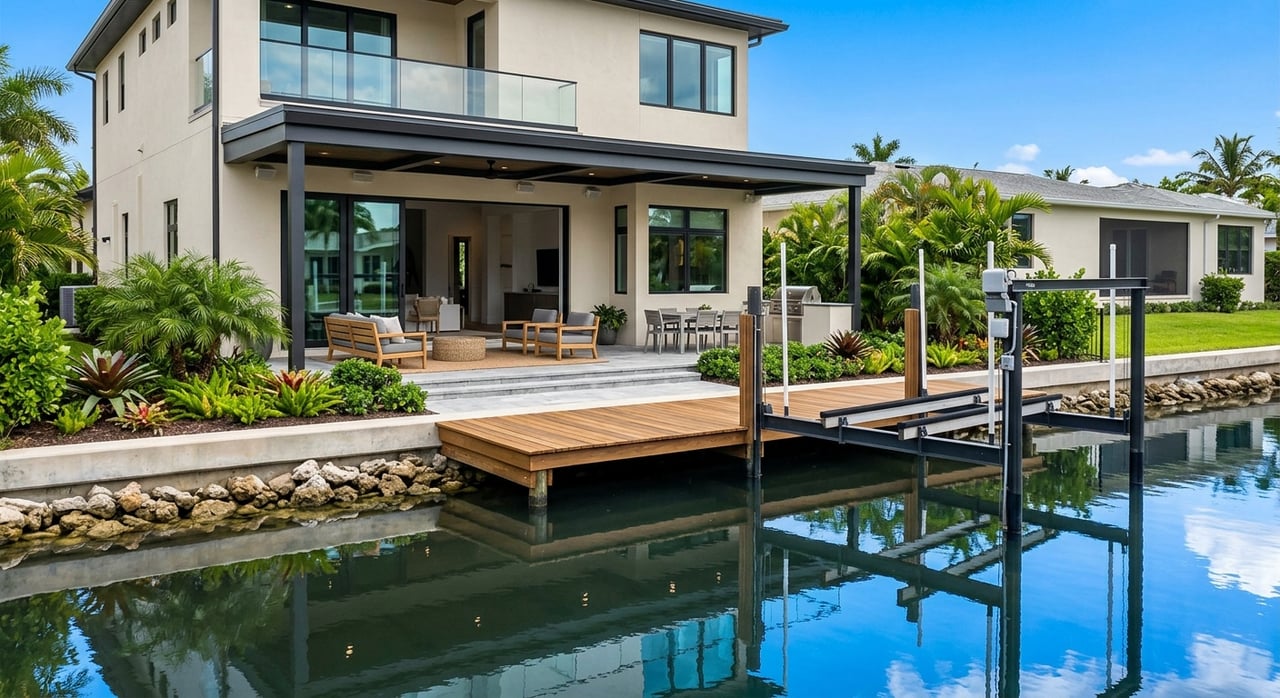
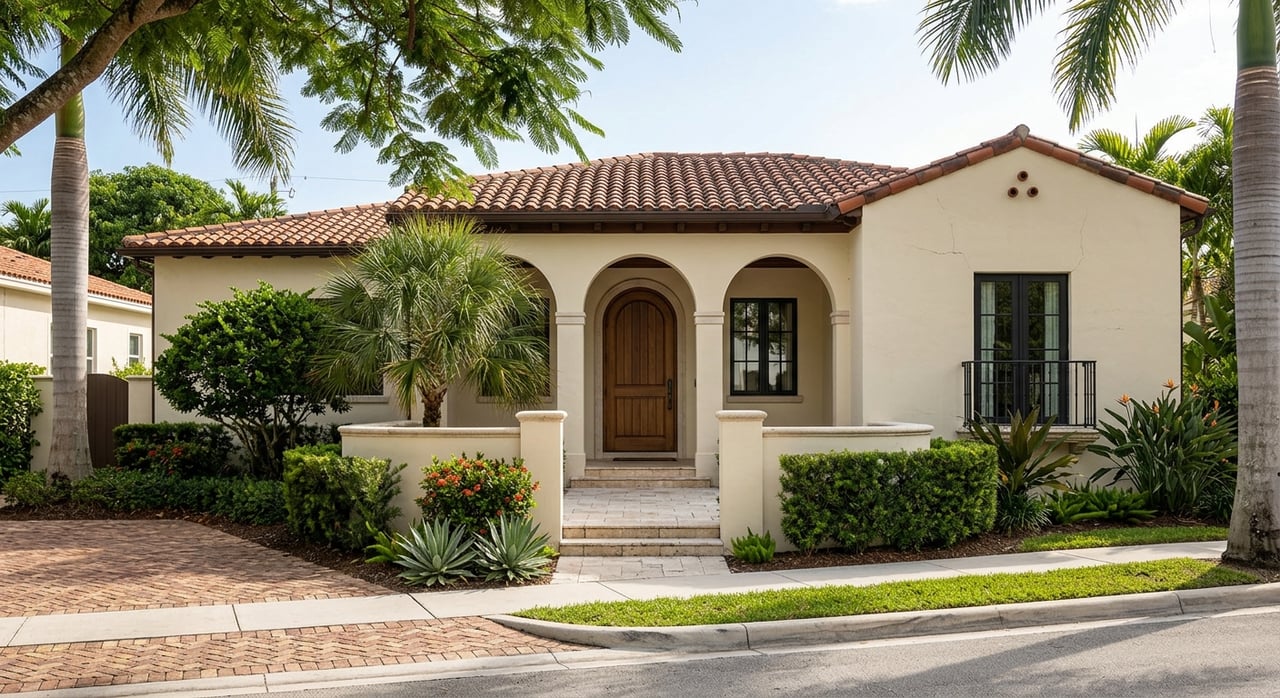
Stuart sits on Florida’s Treasure Coast along the St. Lucie River and just west of the Indian River Lagoon, giving buyers access to a subtropical setting and a mix of housing choices, from historic neighborhoods near downtown to newer townhomes and condos. According to the City of Stuart, this variety is part of what makes the area attractive to buyers with different lifestyle goals.
If you are comparing Stuart with other South Florida destinations, it helps to start with broad local housing context. Census figures cited by the city show Stuart with 17,425 residents and 10,577 housing units. In Martin County, there are 85,020 housing units, a 79.6% owner-occupied rate, and a median owner-occupied value of $432,200. Stuart itself has a 58.9% owner-occupied rate and a median owner-occupied value of $329,400. These numbers are useful baselines, though they do not represent waterfront or luxury-specific pricing.
Start With Your Intended Use
Before you focus on views, finishes, or walkability, define how you plan to use the home. That decision shapes nearly every major part of your purchase, including financing, taxes, insurance, and ownership costs.
Ask yourself a few practical questions:
- Will you use the property personally for part of the year?
- Do you want a low-maintenance setup?
- Will you ever rent it out?
- Do you want a detached home, townhome, or condo?
- Will you manage it yourself or hire local help?
In Stuart, buyers often compare detached homes, townhomes, and condominiums. As the city’s housing profile suggests, the bigger issue for many second-home buyers is not just property style. It is ownership structure. You should understand what maintenance will be your responsibility and what may be handled by an association or manager.
Understand Second-Home Financing Rules
If you plan to finance the purchase, occupancy classification matters early. Under Fannie Mae second-home guidelines, a second home must be occupied by you for some portion of the year, suitable for year-round occupancy, limited to a one-unit dwelling, under your exclusive control, and not treated as a rental property or timeshare.
That means your intended use cannot be vague. If you are planning to rent the property heavily, your lender may classify it as an investment property instead of a second home. That can affect your loan terms, down payment expectations, and overall cost.
A disciplined approach is to confirm financing classification before you fall in love with a property. This is especially important if you are buying from out of state and coordinating the transaction alongside your primary residence market.
Compare Property Types Carefully
Detached Homes
A detached home may give you more privacy, more control, and fewer association restrictions. It may also place more responsibility on you for exterior maintenance, storm preparation, landscaping, and repairs.
If you expect to spend only part of the year in Stuart, think through who will check the home, coordinate service vendors, and handle issues while you are away. A detached property can be a great fit, but only if your management plan is realistic.
Townhomes
Townhomes can offer a middle ground between space and convenience. Depending on the community, some exterior maintenance may be handled through an association, which can simplify ownership for seasonal use.
Even so, you should review the governing documents carefully. Maintenance responsibility, insurance obligations, and rental limits can vary from one community to the next.
Condominiums
Condominiums can be appealing if you want a more lock-and-leave lifestyle. For many second-home buyers, that convenience is a major advantage.
But condo purchases in Florida also require deeper document review. Under Florida law on milestone inspections and structural integrity reserve studies, many condo and co-op buildings that are three stories or higher must meet added inspection and reserve requirements. Certain sales contracts also must disclose when those items have not been completed.
Before moving forward on a condo or townhome purchase, ask for:
- The association budget
- Current reserve status
- Recent inspection history
- Any pending special assessments
- Rental caps or minimum lease terms
Plan for Taxes as a Second-Home Owner
One of the most common planning mistakes is assuming a second home will receive the same property tax treatment as a primary residence. In Florida, the homestead exemption generally applies when the owner makes the property a permanent residence or the permanent residence of a dependent.
For most second-home buyers, that means the property usually will not qualify for homestead treatment. You should model taxes as a non-homestead property and confirm details with the county property appraiser and your tax advisor.
This matters because carrying costs can look very different once you remove assumptions that only apply to a primary residence. Clear tax planning on the front end helps you avoid surprises after closing.
Take Flood and Insurance Review Seriously
In Martin County, flood review is not a side issue. It is one of the first things you should evaluate. The county notes on its Flood Zones page that flood zones and evacuation zones are not the same, and that the most common local flood zones include A, AE, AH, AO, VE, X, and X(shaded). Zones beginning with A or V are high-risk Special Flood Hazard Areas.
The same county guidance also states that every structure is in a flood zone, though not every flood zone is a Special Flood Hazard Area. That makes address-specific review essential. You should confirm both the flood zone and the evacuation zone before writing an offer, not after closing.
Insurance is part of that same conversation. Martin County notes that most homeowners policies do not cover flood damage. FEMA guidance cited by the county explains that homes in high-risk flood areas with government-backed mortgages are required to carry flood insurance, and NFIP policies typically have a 30-day waiting period.
For second-home buyers, the practical takeaway is simple:
- Verify the property’s specific flood zone
- Verify the property’s evacuation zone
- Ask whether flood insurance is required
- Confirm how long coverage may take to bind
- Factor insurance cost into your full ownership budget
Prepare for Storms and Distance Management
If Stuart will not be your primary residence, logistics matter almost as much as location. Martin County warns that the area is vulnerable to heavy rainfall, flooding, rising sea levels, coastal erosion, and stronger storms. The county also encourages residents to know evacuation options and keep an emergency plan and disaster supply kit ready through its flood and readiness guidance.
That means an out-of-area buyer should think beyond closing day. You need a property management plan that works when you are hundreds or thousands of miles away.
A strong second-home ownership plan may include:
- A trusted local property manager or caretaker
- A storm-prep vendor list
- Clear home access instructions
- A plan for insurance claims and repairs
- A process for routine checks during vacant periods
This is where disciplined transaction guidance adds real value. The right support helps you evaluate not just the property itself, but also whether your ownership model is sustainable.
If You May Rent the Home
Some buyers want the option to offset costs with occasional rental income. If that is part of your strategy, confirm the rules before you buy.
Florida law allows counties to levy transient rental taxes on accommodations rented for six months or less. The Florida Department of Revenue local option tax guidance notes that Martin County’s Tourist Development Council handles tourist development tax matters.
Just as important, individual communities may have their own rental restrictions. Before you rely on projected income, verify:
- Whether rentals are permitted
- Minimum lease periods
- Any rental caps
- Registration or tax obligations
- Whether your financing classification changes based on intended use
This is a critical step because rental assumptions can affect both legal compliance and financing structure.
Key Questions to Ask Before You Buy
A well-planned second-home purchase starts with the right questions. These are some of the most important ones to raise with your lender, advisor, insurance provider, and association contact:
- Does this property fit second-home financing rules, or will it be treated as an investment property?
- What are the address-specific flood zone and evacuation zone?
- Is flood insurance required, and what is the timeline to secure it?
- Should taxes be modeled as a non-homestead second home?
- If the property is a condo, have milestone inspections and reserve studies been completed?
- Are there pending special assessments?
- Are there rental caps or minimum lease rules?
- If rentals are allowed, what local transient rental taxes may apply?
These questions may feel detailed, but they are exactly what help you buy with confidence instead of reacting to issues late in the process.
Build a Smart Purchase Timeline
For many second-home buyers, the timeline is driven less by home tours and more by diligence. Use classification, flood review, insurance planning, and association document review often determine how quickly you can move.
A practical purchase sequence looks like this:
- Define how you will use the home
- Confirm likely financing classification
- Narrow the right property type
- Review flood and evacuation data by address
- Estimate insurance and tax carrying costs
- Review condo or HOA documents, if applicable
- Confirm rental rules if rentals matter to your plan
- Coordinate closing logistics with your primary residence schedule
When you approach the purchase this way, you reduce uncertainty and make stronger decisions.
Buy With a Process, Not Just Emotion
A second home in Stuart can be a rewarding purchase, but the smartest buyers treat it like both a lifestyle decision and a planning exercise. The location, property type, financing structure, tax treatment, and flood exposure all need to work together.
If you want guidance that is thoughtful, detail-driven, and tailored to cross-market buyers, connect with Mark Cooper. With deep experience serving relocation and second-home clients, Mark helps you move through the process with clarity, discipline, and confidence.
FAQs
What makes Stuart, Florida appealing for a second home?
- Stuart offers a coastal Treasure Coast setting, a mix of historic and newer housing, and options that include detached homes, townhomes, and condominiums.
What qualifies a property as a second home for financing in Stuart?
- Under Fannie Mae guidance, a second home must be occupied by you for part of the year, suitable for year-round use, a one-unit dwelling, under your exclusive control, and not a rental property or timeshare.
What should buyers review before purchasing a condo in Stuart?
- You should review the association budget, reserve status, inspection history, pending special assessments, and any rental restrictions, especially because some Florida condo buildings must meet milestone inspection and reserve study requirements.
Does a second home in Stuart qualify for Florida homestead exemption?
- In most cases, a true second home does not qualify because Florida homestead exemption generally applies to a permanent residence.
Why do flood zones matter when buying a second home in Martin County?
- Flood zones affect insurance requirements, risk planning, and ownership costs, and Martin County says flood zones are different from evacuation zones, so both should be reviewed by address.
Can you rent out a second home in Stuart, Florida?
- Possibly, but you need to confirm community rental restrictions, minimum lease terms, tax obligations, and whether your intended use changes your financing classification.