Buying on the water in Fort Lauderdale sounds simple until you start looking at what “waterfront” actually means. You may picture a private dock behind your home, but in this market, ownership can range from full control of your seawall and lift to shared marina access governed by an association. If you want to buy smart, you need to know who controls the dockage, who pays for repairs, and what rules come with the property. Let’s dive in.
Why ownership structure matters
Fort Lauderdale’s waterfront appeal is easy to understand. The city highlights 165 miles of navigable waterways, along with municipal marine facilities, public docking, and complimentary pump-out locations, which all support an active boating lifestyle. You can review those public marine resources through the city’s marinas and docking information.
Still, the real difference between one waterfront property and another often comes down to control versus convenience. In practical terms, your ownership structure will shape whether you can install a lift, how seawall work gets handled, and whether dock access is private, shared, assigned, or public.
Single-family canal homes
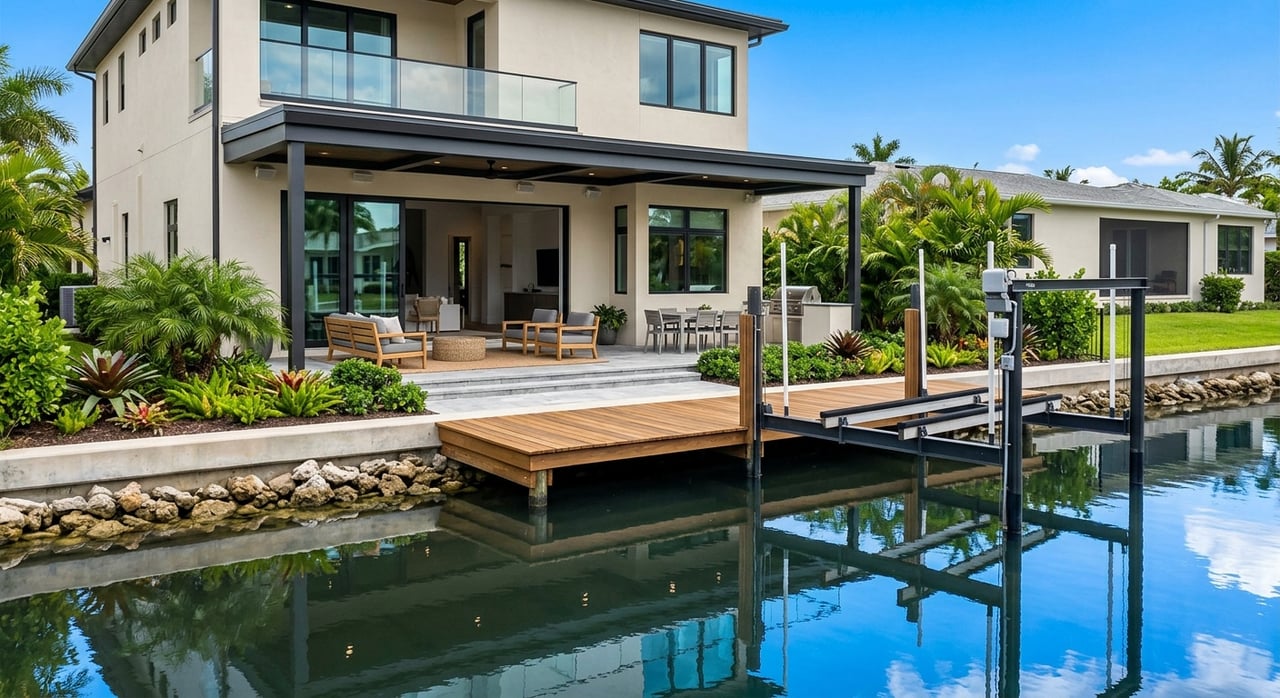
For many buyers, detached canal-front homes offer the most direct path to private dockage. In Fort Lauderdale, residential waterfront work flows through the city’s dock and seawall permitting system, which includes permit categories for boatlifts, docks, seawalls, and piles.
That level of control is a major advantage if you want to tailor the property to your boating needs. At the same time, it also means you are usually taking on more direct responsibility for exterior upkeep, permitting, and long-term waterfront maintenance.
Seawalls deserve extra attention
On canal homes, the seawall is often one of the biggest due diligence items. Fort Lauderdale revised its tidal barrier ordinance and raised the city’s minimum seawall height standard to 5 feet NAVD, up from 3.9 feet NAVD, for certain situations such as new seawalls, significant disrepair, or some tidal-breach citations. You can review the city’s summary of that seawall height ordinance update.
That matters because an older seawall may not meet current standards if major work is needed. Before you move forward on a canal property, it is worth reviewing age, visible condition, and any prior permit history tied to the waterfront improvements.
Flood planning is part of the cost
Flood risk is not just a technical issue. It can directly affect your monthly carrying costs and closing timeline. According to FEMA’s flood insurance guidance, standard homeowners insurance generally does not cover flood damage, and flood insurance is a separate policy.
FEMA also explains that flood maps are the official tool for understanding flood hazard, and properties in high-risk flood areas with government-backed mortgages are typically required to carry flood insurance. For buyers, that means flood zone review should happen early, not after inspections are complete.
Luxury condos with marina access
If you want water access with less hands-on exterior maintenance, a luxury condo may be a better fit. Under Florida condominium law, condo ownership typically means owning your unit plus an undivided share in the common elements, while the association has authority to maintain, repair, and replace common elements and collect assessments.
For waterfront buyers, that often translates into shared amenities rather than detached-home style private dock control. A building may offer marina access, dock use rights, or boating amenities, but you should verify whether that means an assigned slip, separate use rights, or simply access to a shared amenity.
Documents matter more than the brochure
Water views and amenity lists can be appealing, but the governing documents tell the real story. For condo waterfront purchases, you will want to review the declaration, current rules, budget, reserve information, and any slip or dock documentation before assuming the boating setup matches your expectations.
This step is especially important in Fort Lauderdale, where waterfront lifestyles vary from quiet canal settings to busier boating corridors. The city recently announced approval of a slow-speed boating zone on part of the Intracoastal Waterway between the Oakland Park Boulevard and Sunrise Boulevard bridges, which is a reminder that access and traffic conditions can vary by location.
Building health is part of waterfront due diligence
For Florida condo buyers, structural planning and reserve strength should be reviewed just as closely as finishes and views. The Florida Department of Business and Professional Regulation explains that milestone inspections and structural integrity reserve studies are part of the condo safety framework, and those records must be made available to potential buyers.
That means your review should include more than monthly fees. You should understand what repairs are planned, how reserves are funded, and whether future assessment risk is part of the ownership picture.
Waterfront townhomes in HOA communities
Townhomes often appeal to buyers who want a more house-like layout without taking on all the responsibilities of a detached waterfront home. In many cases, these properties sit inside an HOA framework governed by Florida’s homeowners’ association statute, which allows associations to impose assessments and manage common areas or amenity-related costs.
That creates a middle-ground option. You may get more privacy and a more residential feel than a condo, but the association can still influence exterior maintenance, common-area use, and how waterfront features are handled.
Boat access is not automatic
A townhome on or near the water does not automatically come with private dock rights. Depending on the community, you may find direct boat access, shared dockage, limited use rights, or no dock rights at all.
That is why buyers should focus on the legal and practical use rights tied to the property, not just the map location. The physical setting may suggest boating convenience, but only the governing documents can confirm what you are actually allowed to use.
Rules can affect everyday ownership
HOA documents also shape how you use the property day to day. Florida law generally limits certain HOA restrictions on items stored on a parcel, including boats, when they are not visible from frontage or adjacent areas, unless another law or local ordinance applies. Even so, each community’s documents still deserve careful review because boat-related rules and waterfront usage can vary.
For many buyers, this ownership style works well when you want a balance of convenience and space, and you are comfortable with the fact that some decisions stay within association control.
Comparing your waterfront options
The best fit depends on how much control you want over your waterfront lifestyle.
| Ownership type | Typical dock control | Exterior maintenance | Key tradeoff |
|---|---|---|---|
| Single-family canal home | Often the most direct private control | Usually owner-managed | More freedom, more responsibility |
| Luxury condo | Often shared or association-controlled | Largely association-managed | More convenience, less private control |
| Waterfront townhome | Varies by community documents | Mixed owner and HOA responsibility | House-like feel with shared rules |
Questions to ask before touring
The right questions can save you time and prevent expensive surprises later. In Fort Lauderdale’s waterfront market, these are some of the most important ones to ask early.
What are the actual dock rights?
Ask whether the property includes a private dock, assigned slip, marina access, shared use, or only proximity to public docking. The city’s marine facilities and public docking resources can help you distinguish private rights from public options.
What permits and seawall records exist?
For detached homes especially, ask about prior dock, lift, and seawall permits. Fort Lauderdale notes that permit applications submitted after December 31, 2023 are subject to the 2023 Florida Building Code through its building permits page, so permit history and future work standards should both be part of your review.
What is the flood insurance picture?
Flood insurance timing matters. FEMA notes that NFIP flood insurance typically carries a 30-day waiting period unless an exception applies, so it is wise to start the insurance conversation early in the transaction.
Who pays for repairs and reserves?
In condos and HOA communities, assessments, reserves, and common-area obligations can affect your true ownership cost. Florida law gives condo associations and HOAs important powers tied to maintenance and assessments, so reviewing budgets, reserve funding, and any history of special assessments is essential.
How to choose the right fit
If your priority is maximum control, a single-family canal home usually gives you the clearest path to private dockage and exterior decision-making. If your priority is lower day-to-day maintenance, a luxury condo may offer easier ownership with shared amenities and more structured oversight.
If you want something in between, a waterfront townhome can provide a strong middle option. The key is making sure the ownership structure matches how you actually plan to live, boat, and budget.
Fort Lauderdale waterfront real estate can be rewarding, but it is rarely one-size-fits-all. If you want help sorting through dock rights, association documents, flood considerations, and the practical tradeoffs between homes, condos, and townhomes, connect with Mark Cooper for a strategic, high-touch approach to your waterfront search.
FAQs
What does waterfront ownership mean in Fort Lauderdale real estate?
- In Fort Lauderdale, waterfront ownership can mean private control of a dock and seawall on a single-family home, or shared and association-governed access in a condo or townhome community.
What should you check before buying a Fort Lauderdale canal home?
- You should review dock rights, seawall condition, permit history, flood zone details, and likely maintenance responsibilities before moving forward.
How is a Fort Lauderdale waterfront condo different from a canal-front house?
- A waterfront condo usually includes ownership of your unit plus shared common elements, which often means less direct exterior responsibility but more association rules and fees.
Can a waterfront townhome in Fort Lauderdale include boat access?
- Yes, but boat access varies by community, so you need to verify whether the property includes private dock rights, shared dockage, or no direct rights at all.
Why is flood insurance important for Fort Lauderdale waterfront buyers?
- FEMA states that standard homeowners insurance generally does not cover flood damage, so buyers should review flood zone exposure and arrange flood coverage early in the process.