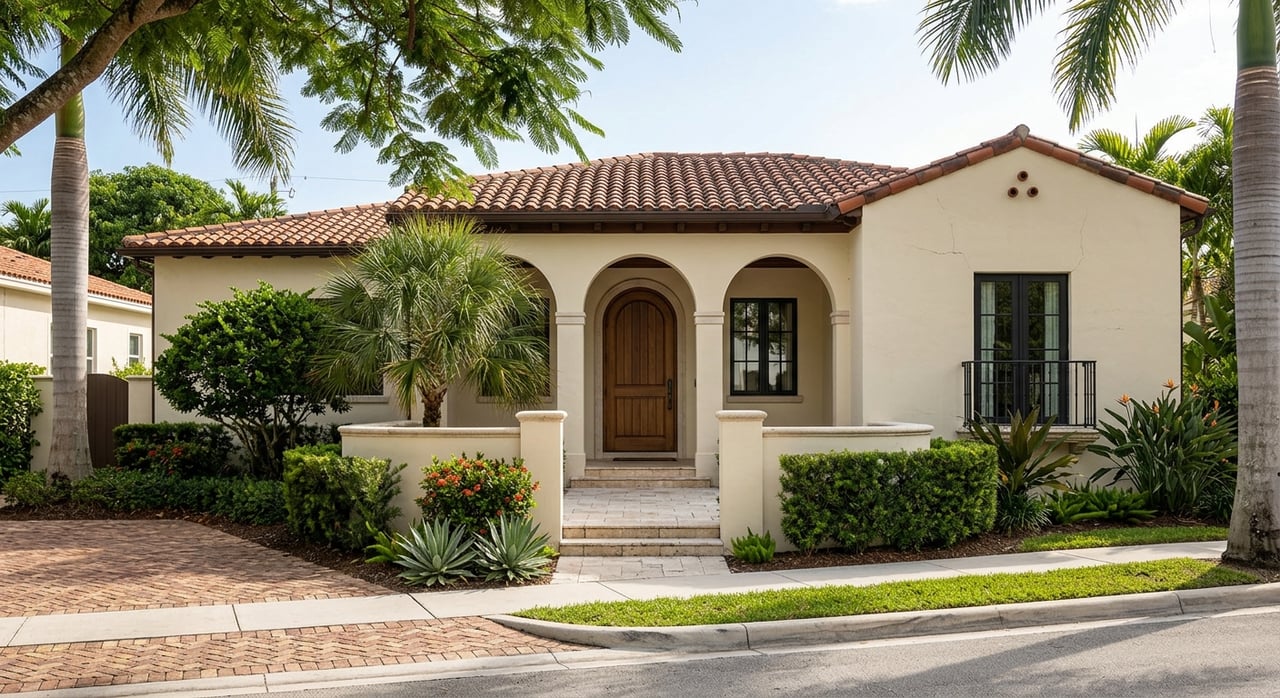
If you are drawn to places with a strong sense of identity, Coral Gables stands out right away. Instead of feeling like a collection of unrelated streets and buildings, it feels intentionally designed, with tree-lined avenues, landmark architecture, and public spaces that reflect a long-standing Mediterranean vision. If you are exploring the area for a primary home, second home, or relocation, this guide will help you understand what Mediterranean-inspired living in Coral Gables actually looks like today. Let’s dive in.
What Defines Coral Gables Living
Coral Gables was planned with a distinct architectural and urban design vision. According to the city’s overview of its City Beautiful roots, the original plan emphasized lush green avenues, winding roadways, plazas, fountains, and a Mediterranean architectural palette that still shapes the city’s character today.
That matters because in Coral Gables, lifestyle and design are closely connected. You are not just choosing a home. You are choosing a setting where architecture, landscaping, and public spaces were designed to work together.
Mediterranean Style Is Built In
Mediterranean-inspired living in Coral Gables starts with the city’s founding vision. George E. Merrick planned the community around City Beautiful and Garden City ideas, and that vision still shows up in the streetscape, civic buildings, and residential architecture throughout the city.
You can see that legacy in landmarks such as City Hall, the Merrick House, Douglas Entrance, Venetian Pool, and the Biltmore Hotel. These places reflect details often associated with the local architectural language, including coral rock, oolitic limestone, courtyards, loggias, arches, towers, and barrel tile roofs.
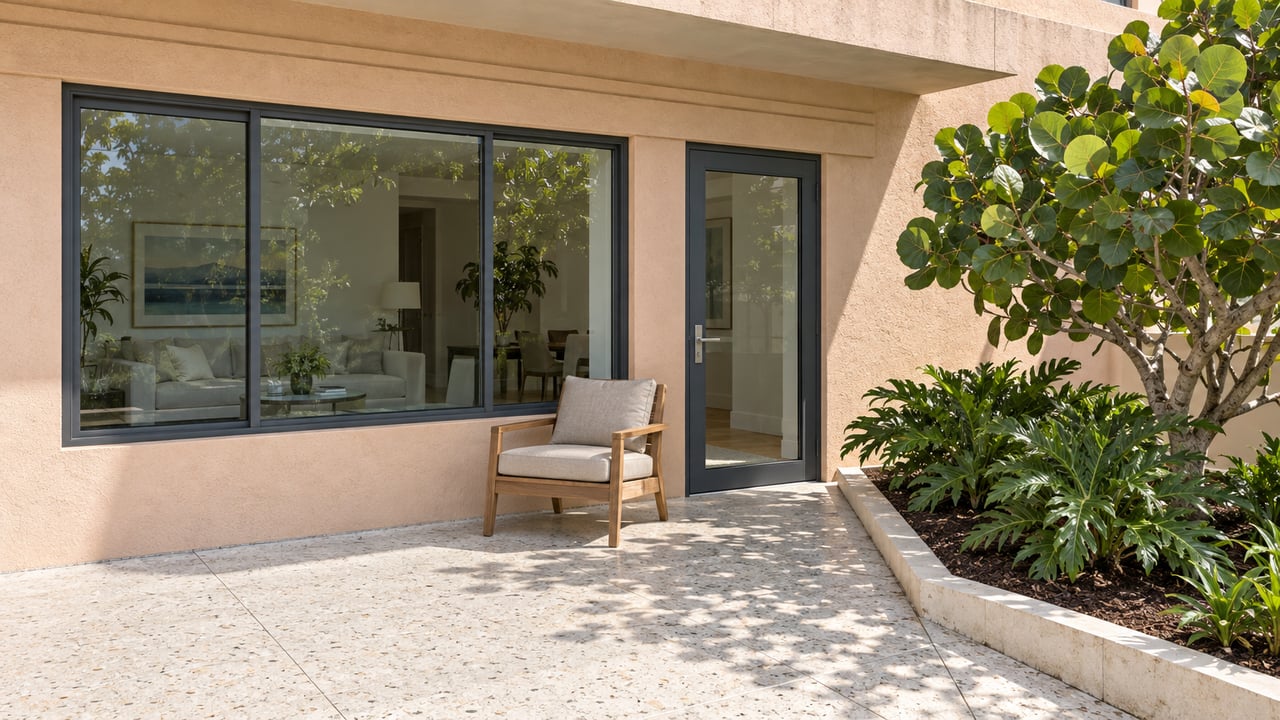
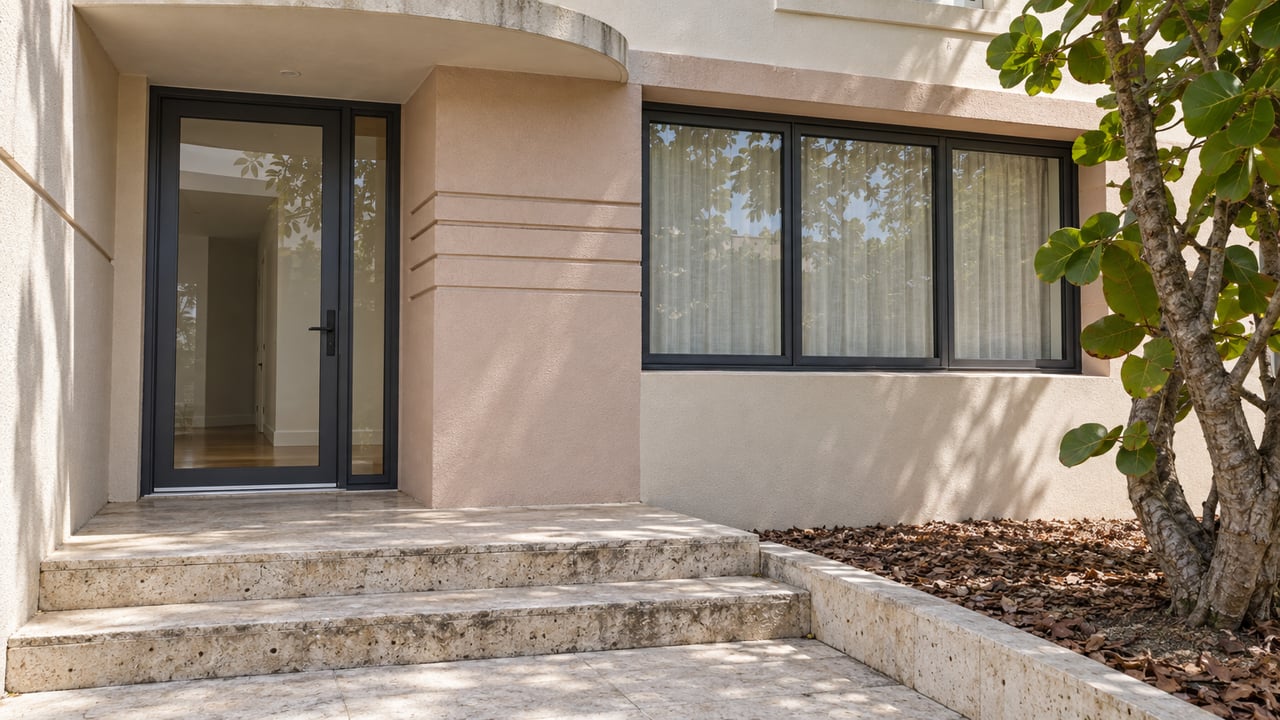
What makes Coral Gables especially compelling is that this look is not frozen in the past. The city’s Mediterranean design standards continue to guide how certain newer multi-family and mixed-use projects fit within the historic visual identity. That creates a sense of continuity that many buyers notice immediately.
A Curated, Layered Streetscape
Although Mediterranean influence is the dominant theme, Coral Gables is not visually one-note. The city’s Historic Villages include Dutch South African, Chinese, French Normandy, Florida Pioneer/Colonial, French Country, French City, and Italian references.
That variety gives the city a curated feel rather than a repetitive one. As you move through Coral Gables, you may notice that the overall environment feels cohesive, but there is still enough architectural range to make different pockets of the city feel distinctive.
The Tree Canopy Shapes Daily Life
Architecture is only part of the story. Coral Gables also reflects the City Beautiful idea through its landscaped public realm, green spaces, and tree canopy, which the city connects to its original planning principles and ongoing planting efforts.
For you as a buyer, that can change the feel of everyday life in a meaningful way. Shaded streets, mature greenery, and well-framed public spaces give many parts of Coral Gables a residential atmosphere that feels polished, calm, and highly intentional.
Walkable Districts Add Convenience
One of the strongest parts of Mediterranean-inspired living in Coral Gables is how well design and walkability work together. The city’s downtown core gives you places to shop, dine, and spend time outdoors without losing the neighborhood-scale charm that defines the area.
Miracle Mile Sets the Tone
Miracle Mile is the city’s main street in the Central Business District and one of the clearest examples of the Coral Gables lifestyle. The city describes it as a premier destination with Mediterranean-style buildings, boutiques, outdoor cafes, tree-lined streets, and regular events.
Recent streetscape improvements added wider sidewalks, seating areas, landscaping, pavers, and a curbless street design that supports pedestrian activity and outdoor dining. If you value a walkable environment with an upscale yet approachable feel, Miracle Mile is central to that experience.
Giralda Plaza Brings Energy
Giralda Plaza adds another layer to the downtown experience. This pedestrian-friendly corridor is lined with restaurants, bars, and coffee shops, with indoor and outdoor seating that encourages people to linger.
The city also highlights live music, alfresco dining, and local artists in this area. For many buyers, that helps define what makes Coral Gables different from a more conventional luxury market. The public realm is active, social, and designed to be enjoyed on foot.
Shopping Stays Outdoor and Connected
For luxury retail, the city points to Shops at Merrick Park, a two-floor outdoor center with Neiman Marcus, Nordstrom, and many additional shops and restaurants. The same city resource also notes that Miracle Mile is home to more than 120 international restaurants.
That mix supports a lifestyle where errands, dining, and leisure can feel integrated rather than separated. You have access to well-known retail, independent businesses, and a strong restaurant scene within a setting that still reflects the city’s architectural identity.
Culture Is Part of the Neighborhood
In Coral Gables, cultural amenities are not an afterthought. They are part of how the city expresses its identity and why many residents feel connected to the place itself, not just to their home.
The Coral Gables Museum focuses on architecture, urban design, and the city’s planned-community history, which is especially relevant if you appreciate how place-making affects long-term value and everyday enjoyment. The same city resource also points to institutions like the Lowe Art Museum and the Coral Gables Art Cinema, giving residents access to art, film, and public programming close to home.
You can also see this commitment in recurring events like Gallery Night, which takes place on the first Friday of the month. The city encourages visitors to use trolleys or Freebee vehicles to move between galleries, reinforcing the idea that arts and mobility are built into the local experience.
Landmark Amenities Reinforce the Style
Some of Coral Gables’ most recognizable places also strengthen its Mediterranean atmosphere. Venetian Pool, for example, was created from a former quarry and is listed on the National Register of Historic Places.
According to the city’s history of Venetian Pool, it was conceived during the city’s early Mediterranean-inspired development. The Biltmore Hotel is another defining icon, with a tower modeled after the Giralda Bell Tower in Seville, tying one of the city’s best-known landmarks directly to the architectural language that shapes Coral Gables as a whole.
Getting Around Without Losing Charm
Walkability is important, but mobility also matters if you plan to use the area regularly or own a second home. Coral Gables supports that lifestyle with the Coral Gables Trolley, which has operated since 2003, runs free Monday through Saturday, and connects commercial districts with Metrorail and Metrobus.
The city reports that the trolley averages more than 1 million passengers a year. It also notes that a Southern Loop trolley pilot launched in November 2025 to extend service toward the University of Miami and other community hubs. For buyers, that adds another layer of convenience to the city’s already connected feel.
Why This Appeals to Luxury Buyers
Coral Gables often resonates with buyers who care about more than square footage alone. The appeal comes from the combination of architectural continuity, mature landscaping, cultural amenities, walkable retail corridors, and landmark destinations that create a strong sense of place.
For second-home buyers and relocation clients especially, that can be a major advantage. You are stepping into an environment with a recognizable identity, where older landmarks and newer development are both shaped by the same design language.
What To Look For in Coral Gables
If you are considering a move into Coral Gables, it helps to focus on how you want to live day to day. A few useful questions include:
- Do you want easy access to Miracle Mile, Giralda Plaza, or the downtown core?
- Are you drawn to historic details such as arches, courtyards, tile roofs, and coral stone elements?
- Do you prefer a setting with strong landscaping and a mature tree canopy?
- Would nearby cultural destinations and public events add value to your lifestyle?
- Are you looking for a home that reflects the city’s original architectural character or a newer property designed to align with it?
These questions can help you narrow your search based on lifestyle fit, not just property features.
If you are considering a purchase or sale in Coral Gables, working with an advisor who understands luxury positioning, relocation needs, and neighborhood identity can help you make more confident decisions. Connect with Mark Cooper for discreet, strategic guidance tailored to your goals.
FAQs
What does Mediterranean-inspired living in Coral Gables mean?
- It refers to living in a city shaped by Mediterranean architectural design, landscaped streets, civic landmarks, and public spaces that reflect Coral Gables’ original City Beautiful vision.
Where are the most walkable areas in Coral Gables?
- The clearest walkable areas are Miracle Mile, Giralda Plaza, and the downtown core, where shopping, dining, and events are concentrated.
How does Coral Gables preserve its Mediterranean character?
- The city uses design standards, zoning tools, and review processes to encourage new development to align with its historic Mediterranean architectural vocabulary.
What cultural attractions are part of Coral Gables living?
- Residents have access to the Coral Gables Museum, Lowe Art Museum, Coral Gables Art Cinema, Gallery Night, and other arts programming supported by the city.
Is Coral Gables convenient for getting around locally?
- Yes. In addition to walkable districts, the free Coral Gables Trolley connects commercial areas with Metrorail and Metrobus, adding local mobility options.