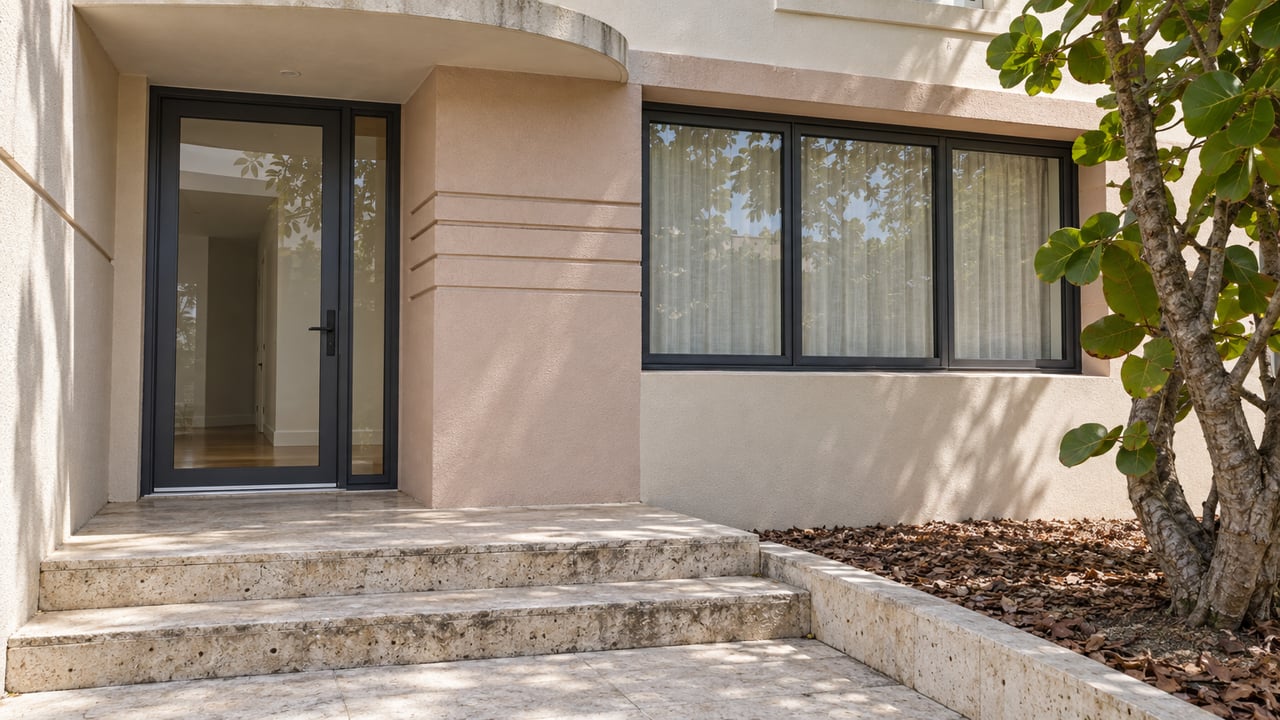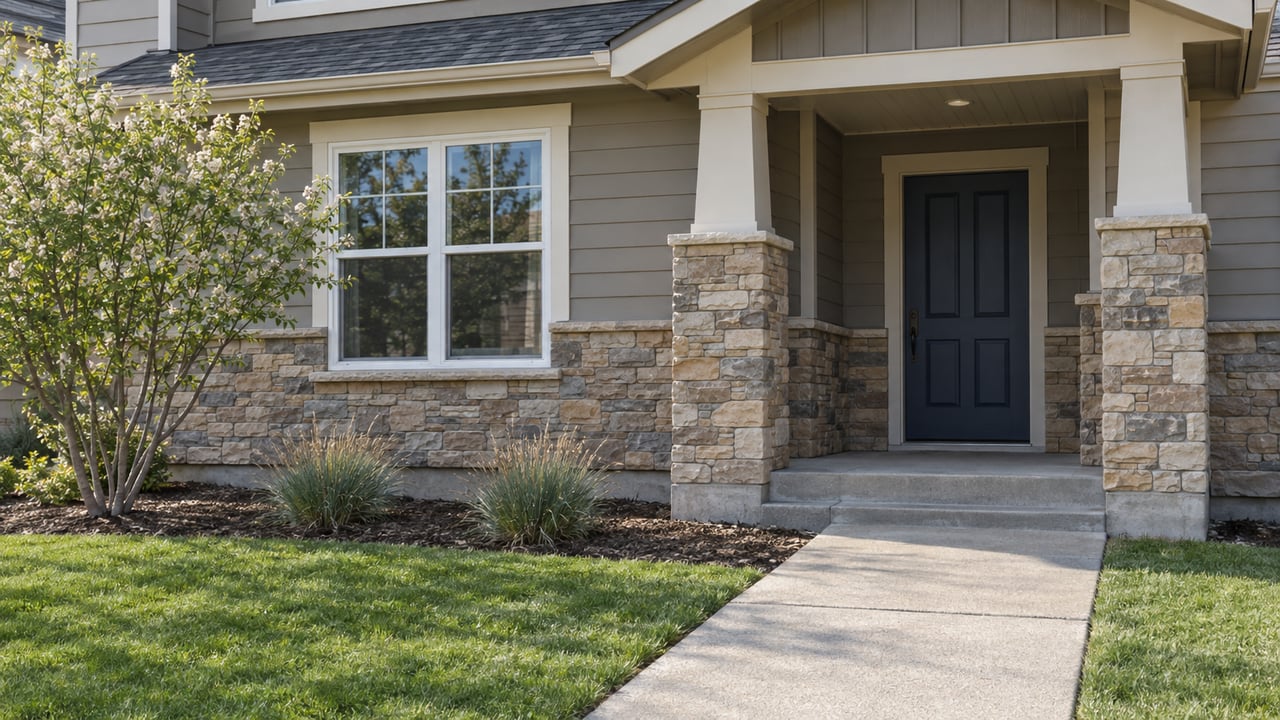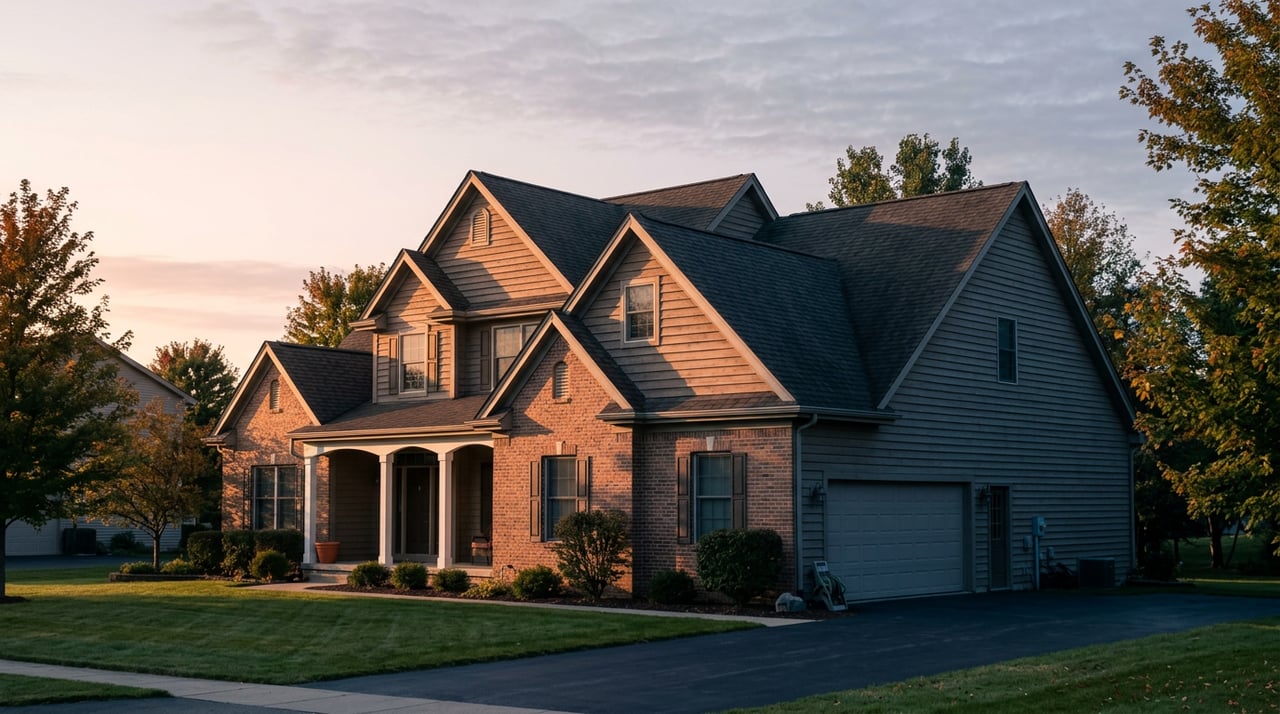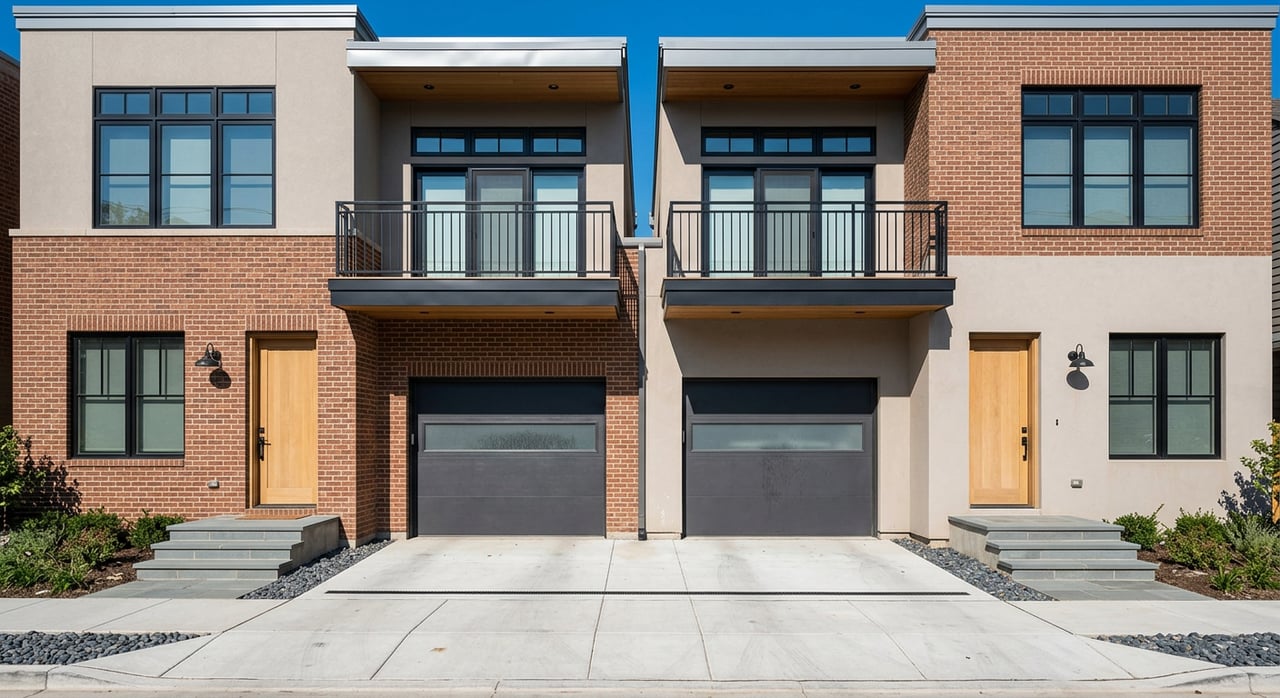
Choosing between a luxury condo and a townhome in Denver can feel like comparing two great lifestyles. You might want the ease of a concierge building and city views, or you may prefer a private garage and a bit of outdoor space. The right call depends on how you live, what rules and costs you can accept, and how you plan to finance and use the property.
In this guide, you’ll get a clear, Denver-specific comparison of condos and townhomes, from lifestyle and amenities to HOA governance, financing, taxes and short-term rental rules. You will also find a practical due diligence checklist and a simple decision framework you can use before you write an offer. Let’s dive in.
Denver luxury attached market at a glance
Luxury in Denver is less about a single price tag and more about features and placement. That said, many central neighborhoods treat the 1 million dollar and above bracket as the top tier, especially in amenity-rich buildings and prime locations. Recent market coverage highlights this segment in context for spring 2025 buyers and sellers in Denver’s monthly updates.
For perspective, metro attached homes, which include condos and townhomes, have carried median prices in the low-to-mid 300 thousands up to around 385 to 400 thousand dollars through spring and summer 2025, while single-family medians sat in the mid 600 thousands. That pricing split can make luxury attached living appealing if you trade private land for amenities and location per March 2025 market notes. More recently, reporting in January 2026 noted the attached segment has softened against single-family, tied in part to higher ongoing ownership costs and more inventory in some areas, which directly affects move-up luxury decisions (January 2026 analysis).
What a condo vs. a townhome means in Colorado
Quick definitions you can use
- Condo: You own your individual unit plus a proportional interest in common elements. The homeowners association, or HOA, typically manages shared areas and many exterior responsibilities. Colorado treats many condos as common interest communities under state law, which sets baseline governance rules (CCIOA overview).
- Townhome: This is an architectural style. It is an attached, often multi-level home with a private entrance and usually a garage. The legal setup can be either condominium-titled or fee-simple. That legal form determines who maintains the roof, exterior, and grounds. Always confirm the title and maintenance responsibilities in the Declaration and CC&Rs (statutory framework).
Why title and HOAs matter
Two Denver townhomes can look identical but carry very different monthly costs and duties. A fee-simple townhome can place exterior maintenance on you. A condo-titled townhome may place those costs into HOA dues that also cover reserves and insurance. The structure of the HOA, its budget, and its rules will shape your monthly costs and even your resale pool.
Lifestyle tradeoffs to weigh
Privacy and layout
High-rise and mid-rise condos in central districts often provide single-level living with secure access and elevator service. You share walls, corridors, and amenity spaces with neighbors. Townhomes tend to feel more like a house, with multiple levels, a private entry, and often a garage. If you want more separation of spaces and fewer shared walls, the townhome format may fit.
Outdoor space and pets
If you love gardening or want a private dog run, many townhomes offer patios or small yards. Luxury condo buildings usually trade private yards for upgraded shared amenities like rooftop terraces, pools, or dog-wash stations. Be sure to review pet rules in the HOA documents before you commit.
Parking, storage, and EV charging
Most townhomes include an attached garage, which adds storage and easier EV charging in your own bay. Many downtown condos rely on assigned or deeded spaces in a shared garage. If you drive an EV, confirm whether the building’s parking is EV-ready or if upgrades are feasible. Also verify whether parking is deeded or assigned and whether storage lockers transfer with the unit.
Amenities and lock-and-leave
A major advantage of luxury condos is the lock-and-leave lifestyle. Concierge service, on-site management, security, and curated amenities reduce daily upkeep and can support frequent travel. Townhomes often deliver more private space and flexibility with fewer shared rules, but usually without a full-service amenity stack. Decide whether you prefer personal space or full-service convenience.
Neighborhood snapshots
- LoDo, Union Station, and Ballpark: Heavily condo-oriented, high-rise living with fast access to dining, entertainment, and transit. Great for walkability and short commutes.
- Cherry Creek and Cherry Creek North: A mix of luxury condos and townhomes with high walkability and premium retail access that commands top-tier pricing for central, low-maintenance living (local market perspective).
- RiNo: Newer loft conversions, condos, and boutique townhomes amid arts and dining. Inventory can vary block to block, and private outdoor space is more limited in some clusters (neighborhood overview).
- Highlands, LoHi, Wash Park, Hilltop: Many townhome products and low-rise condos with a calmer street feel while staying close to the urban core (area notes).
Rules, taxes, and city policies you should know
HOA governance basics in Colorado
Colorado’s Common Interest Ownership Act sets baseline rules for association powers, records, budgets, and owner rights. It is worth understanding how these protections work when you review an HOA’s documents (CCIOA text). Many HOAs also register with the state, and the HOA Information & Resource Center offers public guidance and updates on association practices (state resource center).
Denver short-term rental rules
If you plan to use rental income, know that Denver requires a city short-term rental license and limits most STRs to your primary residence. You must meet safety, insurance, and tax requirements, and list your license number in ads. Many HOAs further restrict or prohibit STRs, so confirm both city requirements and the building’s rules before you rely on rental income (Denver STR licensing).
Property taxes and reappraisal timing
Colorado uses an assessed-value system for property tax, and reappraisals occur on an odd-year cycle. For 2025, the Division of Property Taxation published projected residential assessment rates for local government and school portions, which helps you estimate your ongoing carrying costs (assessment rate guidance). Always model taxes as a separate line item in your monthly budget.
Financing and resale risk for condos
Fannie Mae project reviews and warrantability
Condo financing involves the buyer and the building. Lenders review the project’s budget, reserve funding, owner-occupancy levels, delinquency rates, litigation, and even commercial space. Projects that miss key thresholds can be considered non-warrantable, which limits buyers to portfolio loans, higher rates, or cash. Always confirm project eligibility early, especially if you are planning conventional financing (Fannie Mae project requirements).
FHA and VA considerations
FHA loans require project approval for many condo transactions. If a building is not approved, your options narrow. VA has its own criteria as well. If you need these loan types or want the widest future buyer pool at resale, check project status up front (FHA program info).
Why this matters when you sell
A project with strong reserves, clean financials, and no material litigation attracts more buyers and smoother financing. That can translate into better contract terms. Conversely, issues like high delinquencies or inadequate reserves can scare off lenders and buyers, which affects time on market and pricing (Fannie Mae project requirements).
HOA due diligence checklist for Denver buyers
For luxury attached homes, the HOA’s health often matters more than a unit’s finishes. Build these steps into your offer timeline:
- Budget and year-to-date financials. Look for operating cash flow, large line items, and repeated reserve draws. Compare year-over-year dues changes and ask about drivers like insurance premiums or utilities (buyer packet guidance).
- Reserve study and reserve balance. Check the date of the last study and whether funding matches recommendations. Thin reserves often lead to special assessments (buyer packet guidance).
- Board meeting minutes for the last 12 to 24 months. Scan for planned capital projects, vendor changes, enforcement disputes, or recurring maintenance issues (buyer packet guidance).
- Insurance declarations and master policy. Clarify what the master policy covers and what you must insure. Most condo owners need an HO-6 policy for interiors, personal property, liability, and loss assessment coverage (HO-6 overview).
- Litigation disclosures. Ask about any open lawsuits involving the association or developer, especially those tied to structural or water issues, because lenders scrutinize these items (Fannie Mae project requirements).
- Governing documents. Read the Declaration, Bylaws, and Rules for rental caps, pet policies, short-term rental restrictions, and maintenance duties. These rules shape your use and your future buyer pool (buyer packet guidance).
- Delinquency report. Ask what percentage of owners are behind on assessments. High delinquency impairs cash flow and can trigger lender issues (Fannie Mae project requirements).
A simple decision framework
Use this quick filter before you schedule tours:
- If you want lock-and-leave living with concierge, on-site management, single-level floor plans, and enhanced security, a luxury condo in Union Station, LoDo, or Cherry Creek likely fits. Expect higher monthly dues in exchange for centralized services.
- If you want private outdoor space, an attached garage, and a house-like layout while staying close to the core, a townhome in Highlands, Hilltop, or Wash Park is a strong match. Budget either for private exterior upkeep in fee-simple setups or for HOA dues if the townhome is condo-titled (local neighborhood context).
- If financing certainty is key, confirm project warrantability and any FHA or VA approvals early. If the building is non-warrantable, be prepared to adjust loan strategy or pricing expectations (Fannie Mae project requirements) (FHA program info).
- If rental income or STR is part of your plan, verify both Denver’s licensing rules and the HOA’s restrictions before you factor income into your budget (Denver STR licensing).
Compare total monthly costs
To make an apples-to-apples decision, line up the full monthly picture for each property you like. Include:
- Principal and interest based on your likely loan type.
- HOA dues and any known special assessments.
- Property taxes and required insurance policies.
- Typical utilities and parking or storage fees, where applicable.
This exercise often clarifies the better fit. A condo with higher dues may still pencil well if it consolidates services you would otherwise pay for a la carte.
Next steps
- Get the HOA resale packet and key documents early in your review period.
- Ask your lender to confirm project eligibility and any FHA or VA approvals.
- Request the master insurance declarations and clarify your HO-6 needs.
- Confirm Denver STR licensing rules if you plan to rent.
- Compare the total monthly cost for two finalists side by side.
If you want a disciplined, high-touch process to evaluate Denver luxury condos and townhomes, reach out. With decades of experience and a calm, data-informed approach, Mark Cooper can help you match your lifestyle and risk tolerance to the right property and neighborhood. Request a Confidential Home Valuation or schedule a private consultation today.
FAQs
What are the biggest cost differences between a Denver luxury condo and a townhome?
- Condos usually have higher HOA dues that cover amenities, reserves, and shared insurance, while townhomes may shift more exterior costs to you if fee-simple; compare all-in monthly costs including taxes and insurance.
How do Denver’s short-term rental rules impact luxury attached homes?
- The city generally restricts STRs to your primary residence and requires a license, and many HOAs further prohibit STRs, so verify both city rules and HOA documents before relying on rental income (city licensing overview).
What does it mean if a condo building is non-warrantable in Denver?
- It means the project does not meet conventional loan criteria related to finances, reserves, owner occupancy, litigation, or other factors, which can limit financing options and shrink your resale buyer pool (Fannie Mae guidance).
Do townhomes always have lower HOA dues than condos in Denver?
- Not always; some townhome communities are condo-titled with robust amenities and higher dues, while fee-simple townhomes may have minimal dues but more owner maintenance, so verify title and the HOA budget.
How are property taxes calculated for Denver condos and townhomes?
- Colorado uses assessed value and applies residential assessment rates set by authorities, with reappraisals on odd years; check current rates for accurate estimates (assessment rate guidance).