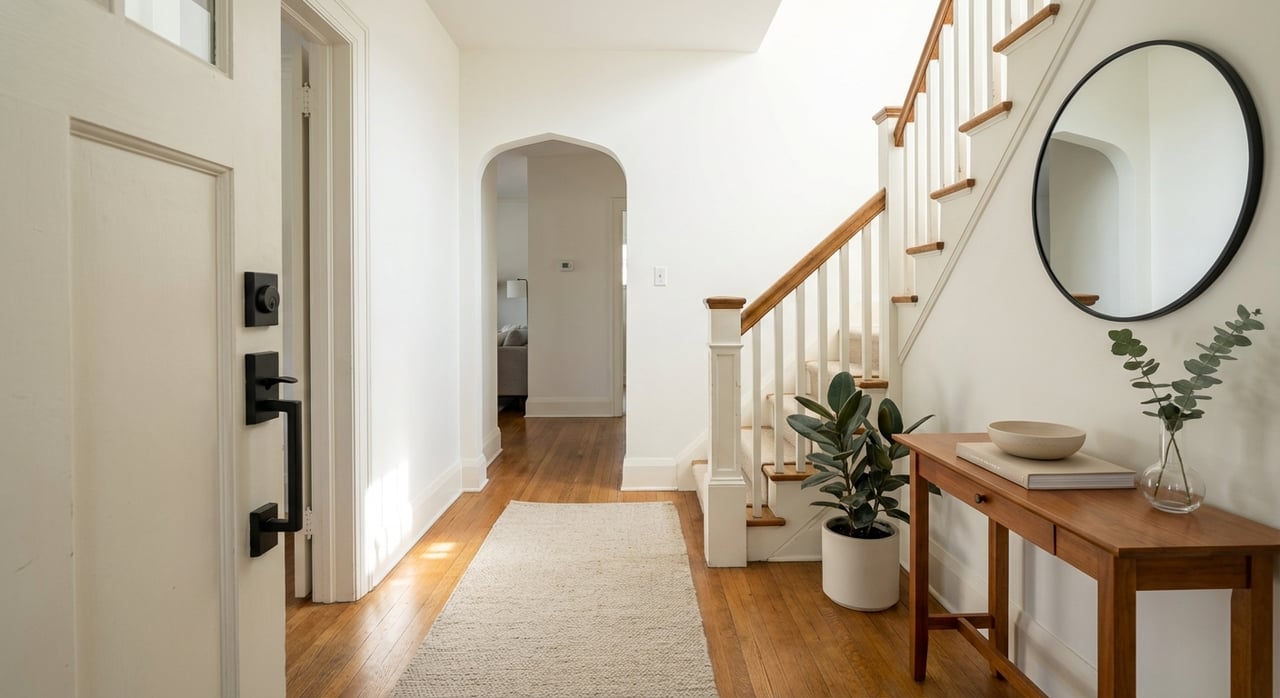
Do you own a vintage bungalow, midcentury gem, or one-of-a-kind residence in Littleton and wonder how to prep it for today’s buyers without losing its soul? You are not alone. Selling a character home takes a different plan than selling a newer build. In this guide, you will learn the step-by-step process to prepare, protect, and present your home so it shines in photos, passes buyer scrutiny, and preserves what makes it special. Let’s dive in.
Why Littleton’s rules matter
Littleton has designated historic landmarks and local historic districts. If your property is a landmark or sits in a local district, the city’s Historic Preservation program reviews many exterior changes and offers grants or incentives for qualified work. Start by confirming your property’s status and learning the review process through Littleton’s Historic Preservation resources and the inventory of Littleton Historic Landmarks and Districts.
If your home is designated, plan for exterior review before painting, window changes, porch work, or additions. Talk with city staff early about approvals and whether grants or state tax credits could support your scope. Explore the city’s Historic Preservation program for guidance on applications, timelines, and incentives.
Market context for character homes
Recent local summaries show Littleton’s median home price near $614,450 with average market time around 81 days, though results vary by neighborhood and property style. Use this only as a short-term frame, then rely on a current comparative market analysis for final pricing. Unique or historic homes often require a broader comp set and a tailored pricing strategy that targets the most likely buyer pool.
Get ahead with pre-list inspections
Pre-list inspections help you control the narrative, reduce risk, and decide what to repair, disclose, or price around. For character homes, a focused inspection package pays off.
Full home inspection
Order a comprehensive pre-list inspection to surface structural, roof, HVAC, plumbing, and electrical issues. Knowing the findings upfront helps you avoid late renegotiations and plan cost-effective fixes. Learn more about the benefits of a pre-list inspection from this overview.
Radon test
Colorado is a high-radon state. The Colorado Department of Public Health and Environment recommends testing all homes and provides guidance on mitigation, which commonly ranges around the low thousands for a typical system. See CDPHE’s radon resources and testing guidance at CDPHE Radon. Keep any test results and mitigation certificates to share with buyers.
Lead-based paint disclosure
If your home was built before 1978, federal law requires a lead-based paint disclosure packet and buyer notification. Review the EPA’s guidance on required documents and buyer options at EPA lead-based paint resources. Colorado sellers also complete state disclosure forms. For an overview of Colorado disclosure obligations, see Nolo’s guide for home sellers.
Sewer-line scope
Older homes may have clay, cast-iron, or Orangeburg sewer lines that are prone to root intrusion or collapse. A camera scope is a quick way to identify problems before buyers do. For context on older pipe types and risks, review this sewer line primer.
Asbestos check before disturbing materials
If you plan to disturb older materials such as insulation, flooring, or textured ceilings, ask a qualified professional to evaluate for asbestos. The EPA recommends professional testing and certified abatement where appropriate. See the EPA’s remodeling guidance here.
Insurance and 4-point review
Some insurers screen older homes through a 4-point review that looks at roof, electrical, plumbing, and HVAC. If you suspect older systems could affect insurability, address them before listing or have quotes in hand so buyers feel confident.
Prioritize repairs that protect value
Safety and insurability come first. Correct active hazards and any item that could block financing or insurance. From there, focus on cost-wise updates that preserve original details and broaden buyer appeal.
Your pre-list priority checklist
- Fix health and safety items first. Address electrical hazards, active roof leaks, and major plumbing defects. Documentation from licensed contractors helps buyers and appraisers.
- Solve water and foundation concerns. Investigate staining, moisture, or cracks. If repairs are needed, include reports and estimates with your disclosures.
- Test for radon and mitigate if levels are at or above the EPA action threshold. Keep test results and any mitigation system documentation. See CDPHE Radon for guidance.
- Complete high-impact, budget-smart interior updates. Fresh neutral paint, repaired plaster, refinished hardwoods, updated lighting to code, and a modest kitchen or bath refresh usually return more value than large luxury overhauls.
- Boost curb appeal. Clean landscaping, repair porches and steps, paint the front door, and pressure wash where needed. If your home is designated or in a local district, confirm exterior approvals through Littleton’s Historic Preservation before you start.
Industry Cost vs Value summaries and trade sources show minor kitchen projects and curb-appeal items often recoup a high percentage of costs, while major upscale renovations may return less. The most reliable strategy before selling is targeted, classic updates that photograph well and do not erase original character.
Preserve character while modernizing
The right balance honors your home’s history and meets today’s expectations.
Repair, do not replace, when possible
Original millwork, built-ins, doors, and hardwoods are hard to replicate and often drive emotional value. Patch trim, repair plaster, and refinish floors rather than replacing them. If your home is designated or in a local district, align exterior work with Littleton’s Historic Preservation standards and approvals.
Match scale and finishes
Choose lighting, hardware, and fixtures that complement your home’s era, but keep finishes neutral and durable. This approach helps buyers visualize their own style. For staging and style guidance, explore NAR’s staging resources.
Windows: repair vs replace
Historic windows can be worth repairing for authenticity and profile. In some cases, adding well-fitted storm windows provides performance without a full replacement. For designated properties, expect a review process and potential need for a Certificate of Appropriateness through the city’s program. See Littleton Historic Preservation for process details.
Document your home’s story
Gather old photos, blueprints, permits, and receipts for restoration work. A simple binder or digital packet strengthens buyer confidence and supports appraisers.
Stage and market the story
The goal is to let the architecture lead while showing function and flow.
- Focus staging where it counts. The living room, primary bedroom, and kitchen influence most buyers. Remove clutter, float furniture to show walkways, and highlight focal points like fireplaces and built-ins. See why staging matters in NAR’s research hub.
- Harmonize furnishings with the era. You do not need a museum set. Use modern, clean pieces that fit the scale of rooms and allow millwork and windows to stand out. Get practical ideas from NAR’s Styled, Staged & Sold blog.
- Hire a photographer who understands older homes. Ask for angles that capture trim, built-ins, window light, and porch details. In your listing remarks, call out original features, year built, any known architect or builder, and recent system upgrades. Provide inspection summaries and mitigation documents to qualified buyers to reinforce confidence.
Pricing and appraisal strategy
Unique homes can challenge standard valuation. Prepare for success by supplying context and proof.
- Build an appraiser packet. Include recent comparable sales of similarly styled homes, receipts for repairs and restorations, pre-list inspection highlights, and any mitigation records such as radon or sewer work.
- Choose your buyer pool and message. Decide whether to lead with history and original details for preservation-minded buyers or present a more neutral look that targets a broader audience. That decision informs pricing and marketing tone.
- Share potential incentives. Littleton’s program administers certain grants and state-level incentives for qualified rehabilitation work. If applicable, include these in your materials since they can appeal to buyers interested in preservation. Learn more through Littleton’s Historic Preservation.
An 8-week prep timeline
Use this as a planning guide, then adapt to your home’s needs and the season.
- 6 to 8 weeks out: Schedule a full pre-list home inspection and radon test. Order a sewer-line scope if your system is older. Start on urgent safety repairs and get contractor quotes for larger items. Review disclosure requirements for Colorado sellers via Nolo’s overview.
- 3 to 5 weeks out: Complete high-priority repairs, handle electrical or roof issues that could affect insurability, and finish targeted interior updates like paint and floor refinishing. Gather permits, invoices, and warranties. If your property is designated or in a local district, confirm any needed exterior approvals with Littleton’s Historic Preservation.
- 1 to 2 weeks out: Stage priority rooms, deep clean, and schedule professional photos. Prepare your appraiser packet, inspection summaries, and required lead-based paint disclosures if your home was built before 1978. For background on federal lead rules, review the EPA’s lead page.
- Launch week: Final touch-ups, lawn and porch refresh, and a last walkthrough to verify that safety items are complete. Share your documentation with your listing agent so it is ready for buyers and appraisers.
What to gather before listing
Create a single folder or binder with:
- Pre-list inspection report and repair receipts
- Radon test results and any mitigation certificates from installers, plus system manual
- Sewer scope video and any repair documentation
- Lead-based paint disclosure forms and the EPA pamphlet if pre-1978
- Invoices, permits, and warranties for recent work
- Historic documents such as old photos, blueprints, or past approvals
- Any city approvals related to Littleton Historic Preservation
Final thoughts
Character homes reward careful preparation. By leading with safety and documentation, preserving original details, and presenting a clear, well-staged story, you give buyers the confidence to bring their best offer. If you want a data-driven pricing strategy, a polished marketing package, and a team that respects the history of your home, connect with Mark Cooper to start a confidential plan.
FAQs
What should Littleton character home sellers inspect before listing?
- Schedule a full home inspection, radon test, and sewer-line scope, and consider an insurance-focused review of roof, electrical, plumbing, and HVAC.
How do Littleton’s historic rules affect exterior updates?
- If your home is designated or in a local district, many exterior changes require city review. Start with Littleton’s Historic Preservation to confirm approvals and potential incentives.
What are Colorado’s disclosure requirements for older homes?
- Provide a seller’s property disclosure and, for pre-1978 homes, the lead-based paint packet. See an overview at Nolo’s Colorado guide.
How should Littleton sellers handle radon in older houses?
- Test every home and share results. If levels meet or exceed the EPA action level, install mitigation and keep certificates. Find guidance at CDPHE Radon.
Which upgrades protect value without erasing character?
- Focus on safety and systems first, then neutral paint, refinished hardwoods, updated code-compliant lighting, modest kitchen and bath refreshes, and curb appeal.
What helps appraisers value a unique Littleton home?
- Provide an appraiser packet with comps, repair and restoration receipts, inspection highlights, and any mitigation or historic-approval documents.