Thinking about trading city pace for a quieter, outdoorsy lifestyle near Denver? If you want room to breathe, a true small-town main street, and easy access to trails and state parks, Parker might fit your list. You’ll find a mix of newer master-planned neighborhoods, established areas with larger lots, and an active equestrian culture on the town’s edges. In this guide, you’ll get a clear picture of daily life, housing options, commute patterns, and what to check before you buy. Let’s dive in.
Parker at a glance
Parker sits southeast of Denver in Douglas County and functions as a suburban commuter town with a strong community feel. According to the U.S. Census Bureau’s 2020 count, the town’s population is about 58,000. The Town of Parker manages municipal services, including parks and events, and you’ll find everyday conveniences, healthcare, and recreation close to home.
The lifestyle blends neighborhood amenities with open space and access to regional outdoor areas. You’ll notice an equestrian presence on the outskirts, while the historic downtown provides local dining, cafes, and community events. Many residents commute into the Denver metro, and personal vehicles are the dominant mode of transportation.
Neighborhoods and housing mix
You’ll see three broad housing patterns in and around Parker:
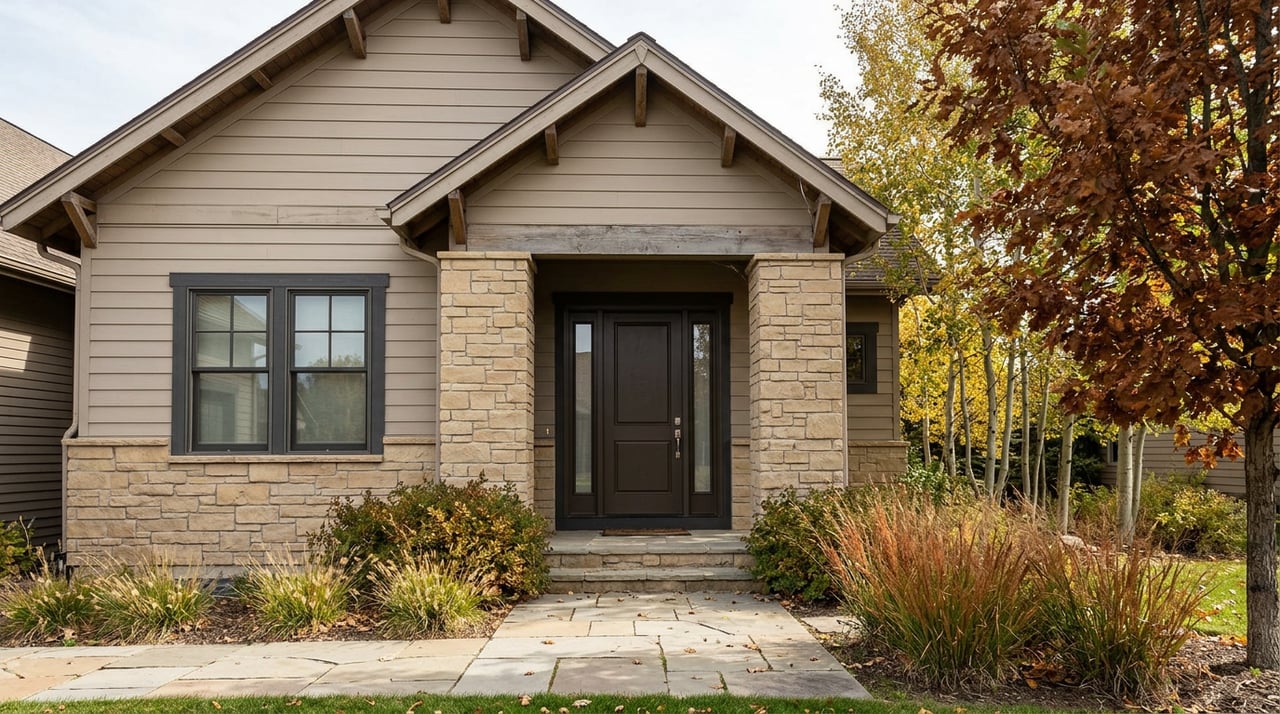
- Newer master-planned communities. Built mostly from the 1990s to today, these areas tend to offer modern floorplans, community amenities like pools and playgrounds, and multi-use trails. Lots are typically smaller suburban sizes, often under a quarter acre.
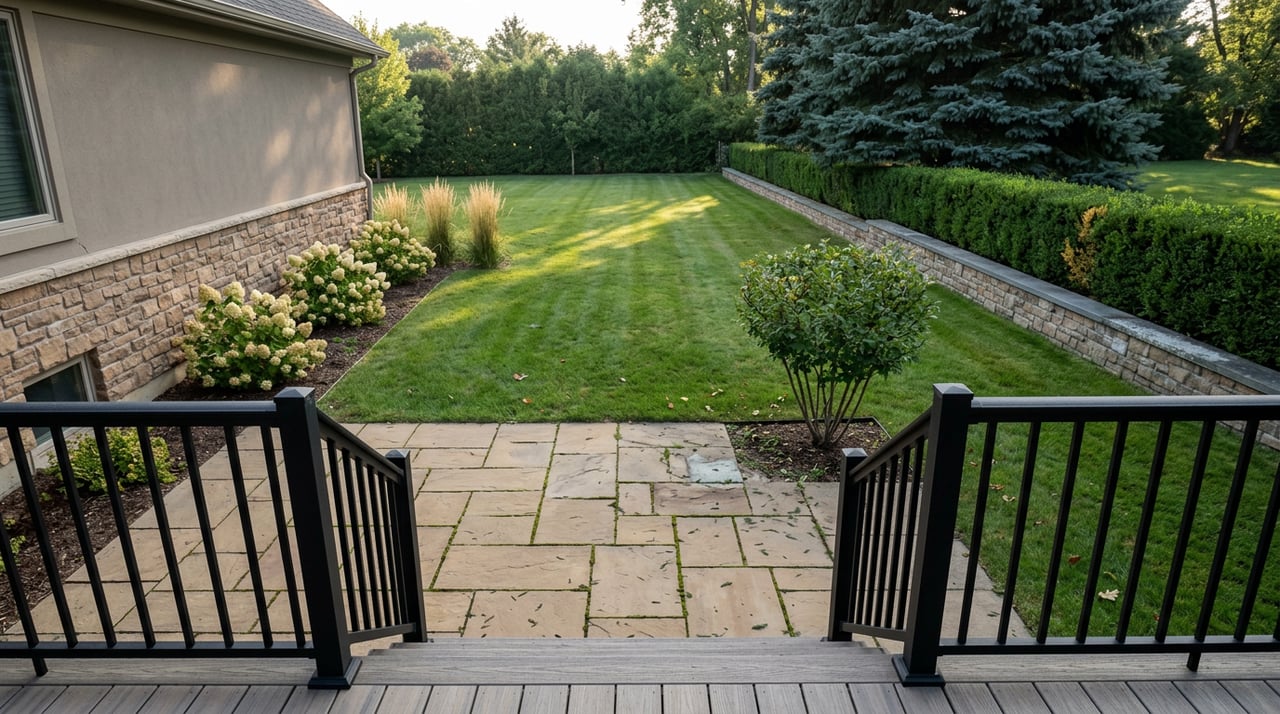
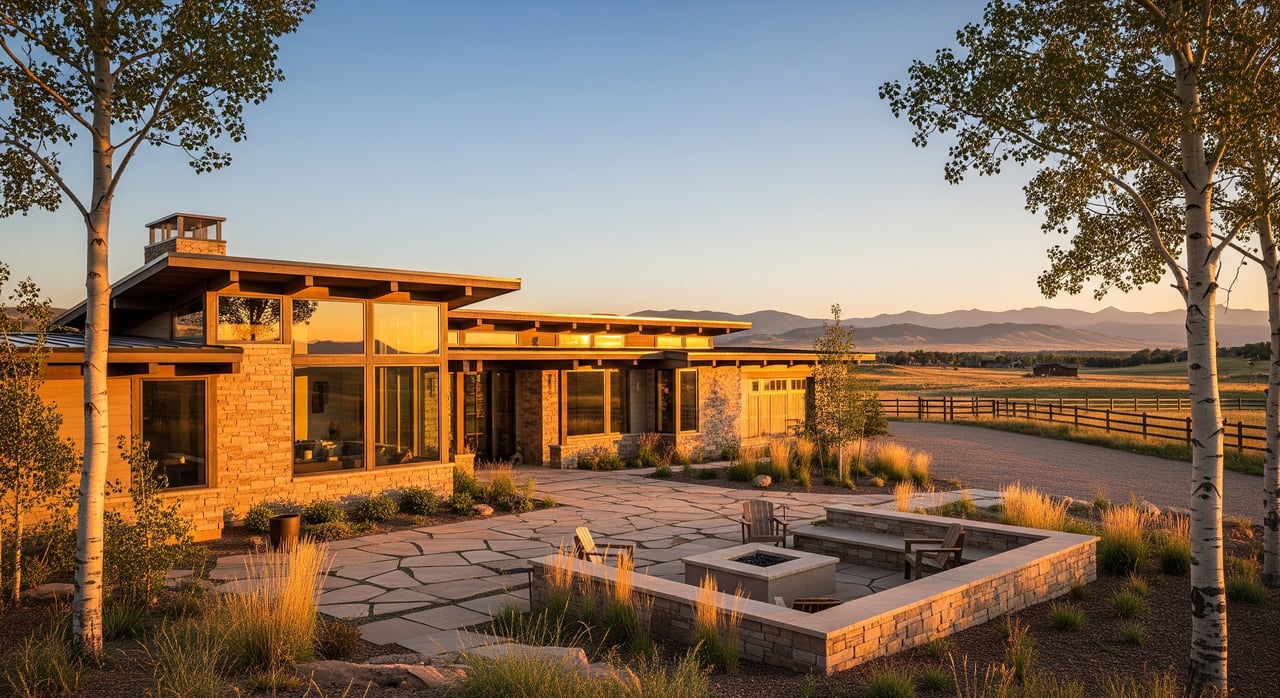
- Established neighborhoods and larger parcels. Older platted areas and unincorporated pockets around the town feature bigger lots, mature landscaping, and some equestrian-ready properties. Acreage can range from half-acre to 5 or more acres in certain areas.
- Townhomes, condos, and age-targeted options. You’ll find attached homes and some low-maintenance or age-restricted communities that appeal to those who prefer simpler upkeep.
Homeowner associations are common in newer subdivisions. HOAs typically manage amenities and architectural standards. If you’re considering a home with an HOA, review the CC&Rs and budget carefully so you understand rules, fees, and maintenance responsibilities.
If you want space for horses or a hobby farm, focus your search on larger-lot neighborhoods and unincorporated Douglas County properties surrounding town. Zoning and deed restrictions vary, so verify what is permitted before you move forward.
Parks, trails, and outdoor access
Parker maintains a connected network of parks and multi-use trails that link many neighborhoods with open space. The trails support walking, jogging, biking, and in some cases horseback riding where allowed. For facility maps, recreation programming, and current classes, start with the Town of Parker.
For weekend adventures, two nearby state parks are resident favorites:
- Cherry Creek State Park. Offers a large reservoir for water recreation, plus trails and wildlife viewing.
- Roxborough State Park. Known for dramatic red rock formations, hiking, and scenic overlooks.
Between town trails and these regional destinations, you can keep a full calendar of outdoor time without long drives.
Equestrian life: what to know
If you’re seeking a horse-friendly property, Parker and surrounding unincorporated areas offer options ranging from hobby set-ups to acreage with barns and arenas. The equestrian lifestyle is more common on older or larger lots and in specific zones. Before you buy, check:
- Zoning and HOA rules. Confirm whether horses are permitted for your lot size and zoning. Douglas County and the Town of Parker each have land-use standards.
- On-site infrastructure. Look for barns, fencing, water access, storage, and safe trailer access.
- Trail access and nearby services. Consider local boarding barns, riding lesson providers, and trailer-friendly routes.
For general planning and zoning information, consult the Town of Parker and Douglas County planning resources. Rules vary by location, so a targeted due diligence checklist is essential.
Downtown dining and community events
Parker’s historic Mainstreet district is compact, walkable, and filled with local restaurants, coffee shops, and small businesses. The area hosts community events throughout the year, including seasonal festivals such as Parker Days, outdoor concerts, a farmers market in warmer months, and holiday celebrations. Schedules can change, so check the latest on the Town of Parker events listings.
While this is not a late-night entertainment hub, you’ll find a friendly dining scene and regular activities that keep weekends lively.
Schools and family services
Public education is provided by the Douglas County School District, one of Colorado’s larger districts. You’ll find a mix of traditional public schools, charter options, and private schools in the broader area. Because boundaries can change as neighborhoods grow, always confirm attendance zones for a specific address.
Childcare, preschools, and youth programs are available locally, and the town runs a range of recreational offerings for all ages. For healthcare, Parker is served by regional providers and clinics, with hospital care available at AdventHealth Parker and other metro-area medical centers.
Commute and transportation
Most residents drive. CO-83 (Parker Road) is a primary north-south corridor that connects Parker toward Denver suburbs and I-25. E-470 provides faster beltway access to I-25 and Denver International Airport. Travel times vary by route and time of day, and peak-period congestion can add minutes.
Typical drives to central Denver range from about 25 to 50 minutes or more depending on your destination and traffic. Public transit exists but is less extensive than in central Denver. Regional buses and park-n-ride options serve some commuters, though coverage and frequency vary. For system details, check RTD. For road projects and travel information, consult CDOT.
Biking within Parker is common on multi-use trails. Long-distance bike commutes to central Denver are less typical due to distance and routing.
Buyer checklist: key items to verify
Use this list to streamline your due diligence:
- School boundaries and choices. Confirm current attendance zones with the district for your specific address.
- Zoning, CC&Rs, and HOAs. Verify rules for animals, accessory buildings, fencing, and home-based businesses.
- Utilities. Determine water and sewer provider (municipal vs. well and septic), electricity, and broadband options.
- Taxes and special districts. Some properties lie in metro or special improvement districts that add fees. The Douglas County Assessor and the Colorado Department of Revenue are helpful starting points.
- Environmental factors. Review floodplain maps, open-space buffers, and wildfire mitigation plans where applicable.
- Market context. Ask for neighborhood-level comps, resale history, and current inventory trends before you bid.
Is Parker right for you?
You’ll feel at home in Parker if you want suburban convenience with strong access to the outdoors. It suits buyers who value a newer-home mix alongside established neighborhoods, and it’s a natural fit if you’re drawn to a small-town downtown and seasonal community events. If you need space for horses or larger lots, you’ll find good options in and around the town’s unincorporated areas.
For commuters to Denver, Parker strikes a balance: larger homes and open space in exchange for a drive that varies with traffic. If that trade-off works for you, Parker is well worth a close look.
Ready to tour neighborhoods, compare lot sizes, and map your commute? Reach out to Mark Cooper for confidential guidance and a strategic plan tailored to your goals.
FAQs
What should a first-time Parker buyer know about HOAs?
- Many newer subdivisions have HOAs that manage amenities and design standards. Review CC&Rs and budgets to understand rules, fees, and maintenance.
How horse-friendly is Parker and nearby areas?
- Equestrian properties are more common on larger lots and in unincorporated Douglas County. Verify zoning and HOA rules before you buy and evaluate on-site infrastructure.
What are typical commute options from Parker to Denver?
- Most residents drive via CO-83 or E-470 to reach I-25 and Denver job centers. Regional buses serve some commuters; see RTD for current routes.
What outdoor recreation is close to Parker?
- You can use town trails and parks, with quick access to Cherry Creek State Park and Roxborough State Park for hiking, water activities, and wildlife viewing.
Which district serves Parker public schools?
- The Douglas County School District serves Parker. Confirm school boundaries for a specific address, as they can change with growth.