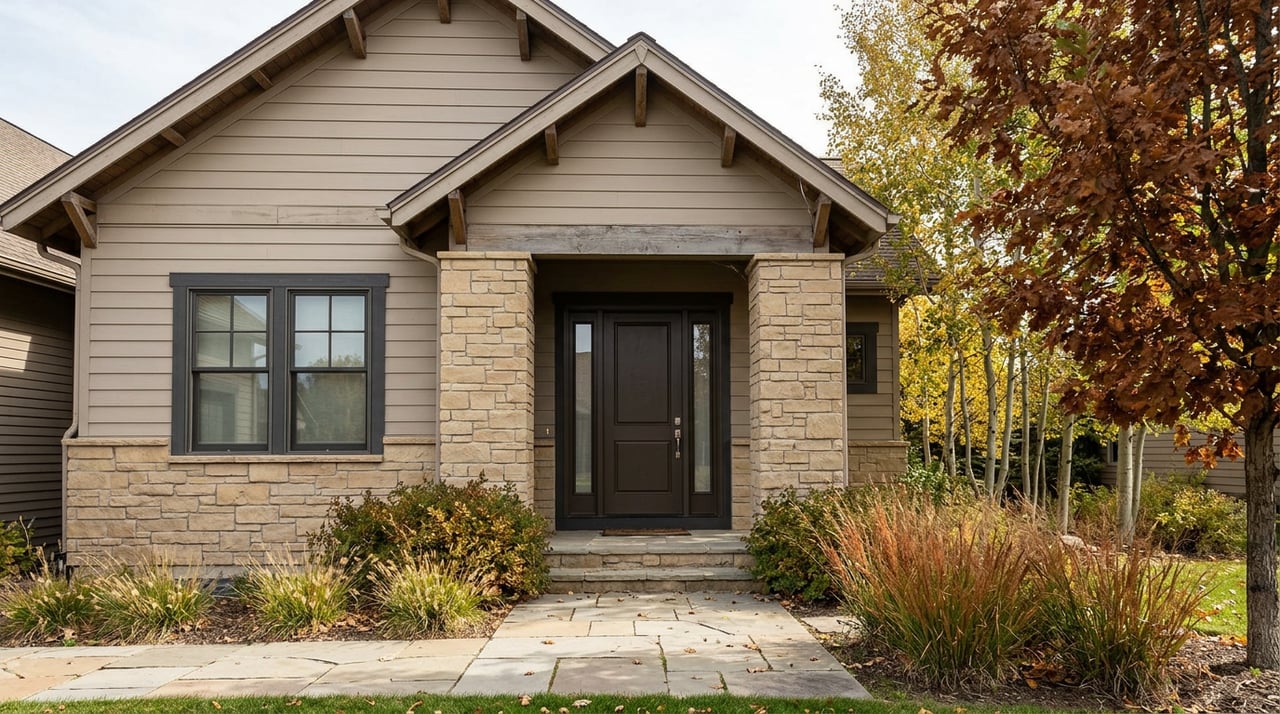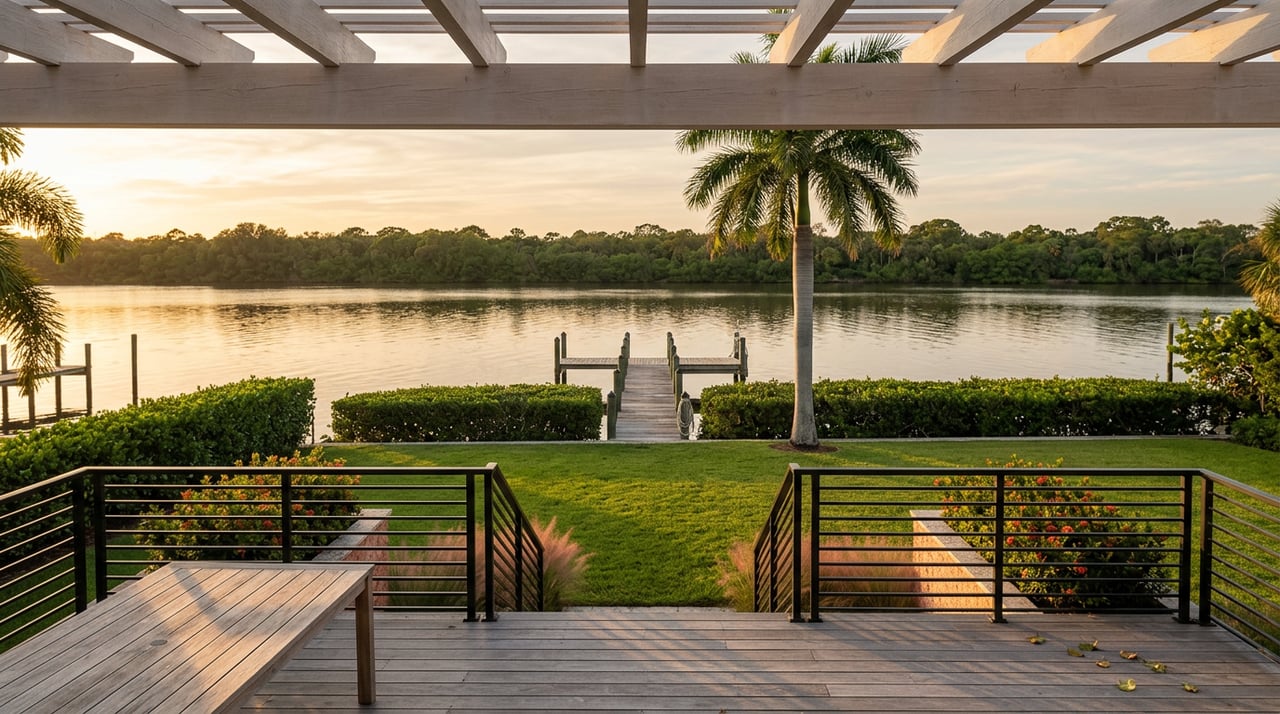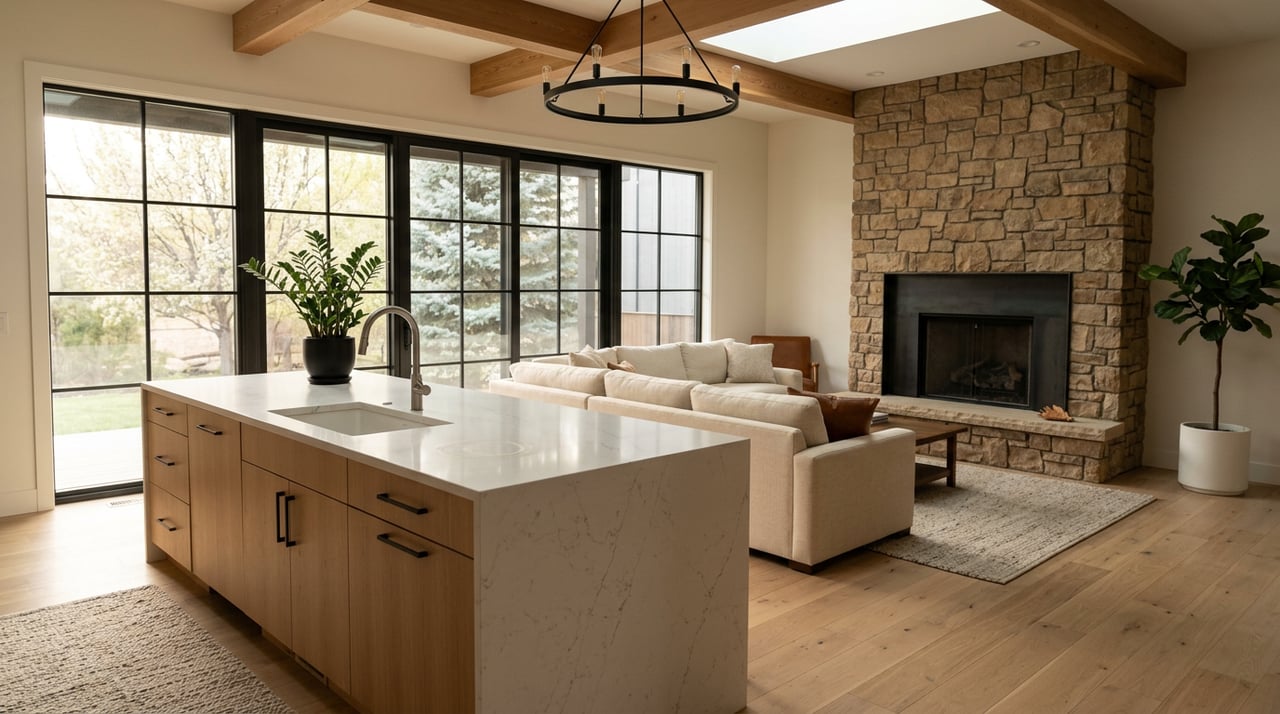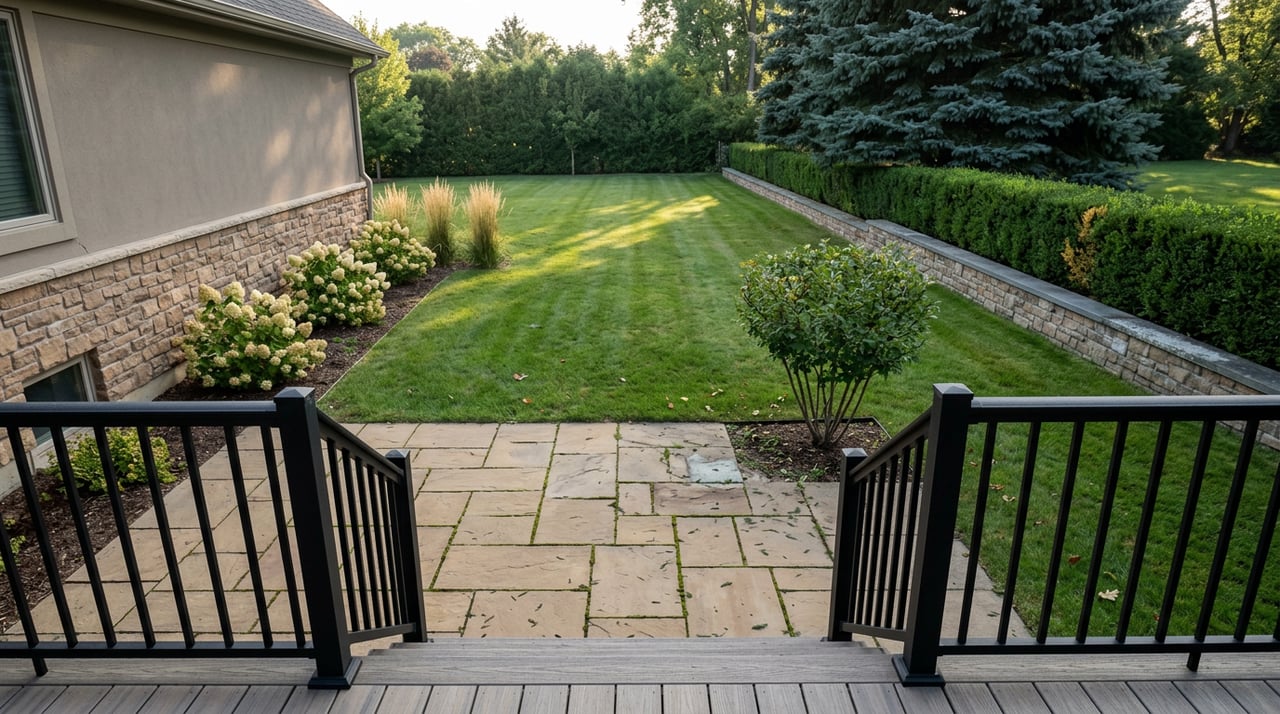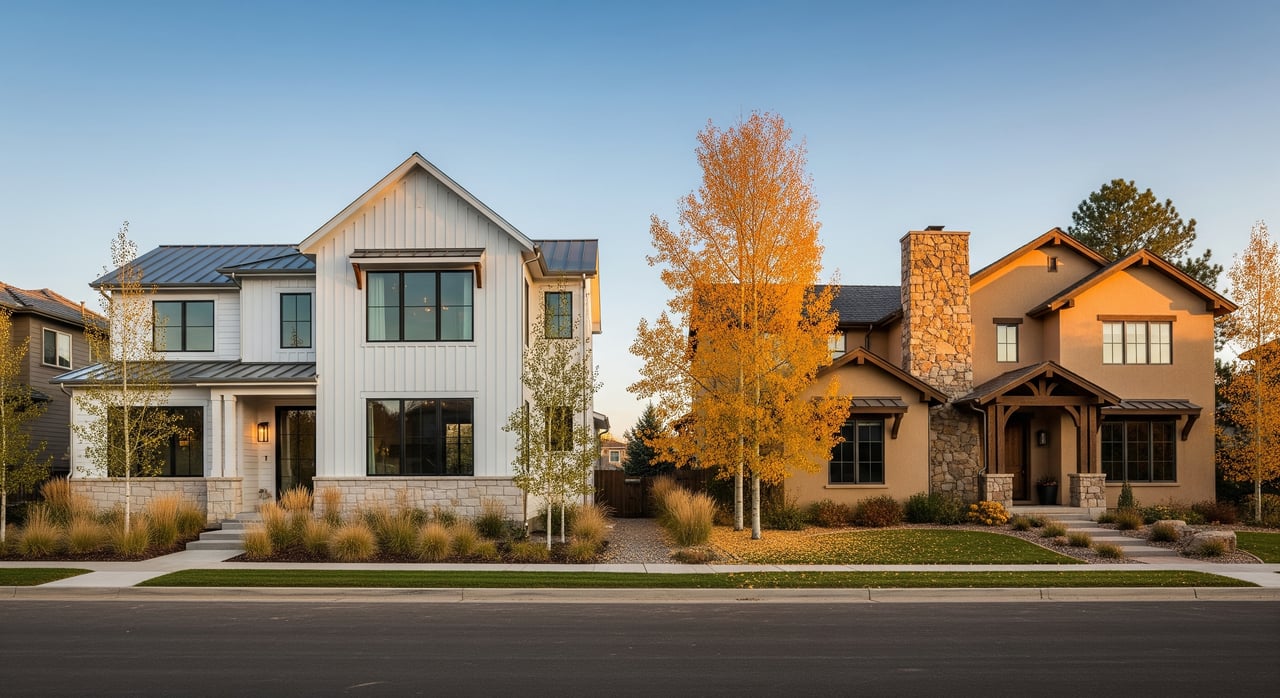
Building from the ground up or buying move‑in ready can both be smart paths in Parker. You might love the idea of brand‑new systems and the latest floor plan, yet you also value established neighborhoods and faster closings. This guide lays out the real costs, timelines, warranties, financing, and negotiation dynamics so you can choose with confidence. Let’s dive in.
Parker market basics
Parker is a suburban community in Douglas County with steady residential growth and access to I‑25 and E‑470. Master‑planned communities and HOAs are common, and school district boundaries, commute routes, and nearby amenities often shape demand. For current pricing and inventory trends, review local reports from Colorado real estate sources and Douglas County records before you commit. Your strategy will depend on what is available now in your target area and price range.
Cost comparison: new vs. resale
Purchase price and upgrades
- New construction usually starts with a base price, then adds a lot premium, options and upgrades, and any change orders. Premiums for view, orientation, walkout basements, or corner lots are common in Parker and can be a sizable share of the total.
- Resale list prices reflect current comparable sales, condition, and recent updates. You may have more flexibility to negotiate depending on market supply and seller motivation.
One‑time and closing costs
- New construction may require staged deposits and non‑refundable option fees. Confirm any utility tap fees, HOA initiation charges, and site‑specific costs in writing.
- Resale closings follow standard costs. Budget for repairs or immediate improvements that inspections uncover.
Taxes, HOA, and ongoing expenses
- Property taxes follow the same local rates, but assessed value timing can differ. New homes sometimes start lower, then adjust at reassessment; check the Douglas County assessor process.
- HOA fees vary. Newer communities may include master and sub‑association dues and may add special assessments during early build‑out.
- Insurance and utilities can be lower in new homes built to modern codes and energy standards. Resale costs depend on age, condition, and prior upgrades.
Maintenance and near‑term capital needs
- New construction generally means lower maintenance in the early years, and major systems are under warranty. Some buyer‑selected finishes carry shorter coverage, so keep documentation.
- Resale may involve near‑term expenses for roofs, HVAC, or appliances, depending on age and inspection findings. Build an appropriate reserve into your budget.
Value and long‑term considerations
Location and lot selection drive long‑term value in Parker. New builds can command premiums in growth areas, while highly upgraded or well‑located resale homes can outperform standard builder inventory. Focus on lot quality, access to major roads, and proximity to everyday amenities when comparing options.
Timelines and process
New construction timelines
- Spec or inventory homes can close in about 30 to 90 days if construction is complete or near completion.
- Ground‑up builds often take several months to a year, depending on permits, weather, builder scheduling, and material lead times.
Key milestones include lot selection and release, permitting, site work, framing and mechanicals, pre‑drywall checks, finish installation, punch list, final inspections, and a certificate of occupancy.
Resale timelines
Most resale transactions close in 30 to 60 days, depending on financing, appraisal, title, and any repair negotiations.
Contingencies and inspections
- Resale contracts usually include robust inspection contingencies. You can negotiate repairs or credits if issues arise.
- New construction may limit inspections to pre‑drywall and final walkthrough. Cosmetic items often follow a punch‑list process, and structural issues are addressed under the warranty rather than a price reduction.
Warranties and inspections
Typical builder warranty structure
Most builders follow a staged structure: about 1 year for general workmanship and materials, 2 years for systems like plumbing and electrical, and around 10 years for major structural components. Always read the actual warranty to confirm coverage, start dates, claim steps, and exclusions such as normal settling or owner‑caused wear.
Independent inspections
Request the right to bring an independent inspector at key points, such as pre‑drywall and final. Many builders allow this with advance notice. On resale homes, consider specialty checks like sewer scoping, radon, roof, and chimney, in addition to a standard home inspection.
Dispute resolution
Builder contracts may require arbitration and set timelines for warranty claims. Know the process before you sign so you understand your remedies and responsibilities.
Negotiation and contracts
Leverage and incentives
- New construction pricing can be firm, but builders often offer incentives such as rate buydowns, closing credits, or upgrade allowances. Timing matters. Incentives can improve at the end of a quarter or phase release.
- Resale negotiation depends on inventory and condition. Inspection results and appraisal contingencies can support requests for credits or repairs.
Key contract terms to review
- Deposit schedule, refundability, and deadlines for selecting options.
- Change‑order process and pricing, plus what is included and excluded.
- Builder schedules, delay language, and any remedies.
- Financing, appraisal, and arbitration clauses.
- Warranty terms and whether coverage transfers if you sell within the warranty period.
Lot considerations in Parker
Lot premiums often reflect walkout potential, mountain‑view orientation, proximity to parks or trails, and corner locations. Review the recorded plat for drainage, easements, setbacks, and utility corridors. Some areas may require specific foundation designs based on soils, so ask for any available site or geotechnical reports.
HOAs and community rules
Newer communities may have master and sub‑associations with dues that can change as amenities are completed. Review covenants and rules for exterior modifications, fencing, rentals, and use restrictions to ensure they fit your plans.
Financing differences
Loan types and approvals
- Resale purchases typically use conventional, FHA, VA, or portfolio loans with standard 30 to 45‑day timelines.
- New construction may involve construction or construction‑to‑permanent loans. Some builders offer incentives when you use a preferred lender. Compare those offers to independent lenders to confirm the true net benefit.
Appraisals for new homes are based on the model plus options and upgrades. Unique or high‑end selections do not always appraise at full cost if comparable sales are limited.
Rate risk and timing
Longer build timelines expose you to interest‑rate changes. Ask about rate‑lock options, buydown structures, and what happens if rates move during construction.
Budgeting for upgrades
Set a separate allowance for design center selections and post‑closing items such as window coverings and landscaping. Add a contingency for change orders or delays so your cash flow stays flexible.
Decision guide: which path fits you?
Choose new construction if you:
- Want modern layouts, energy efficiency, and new systems under warranty.
- Need specific features that are hard to find in resale markets.
- Can accept a longer timeline to move in and are comfortable managing selections.
Choose resale if you:
- Need to move within 30 to 60 days.
- Prefer to negotiate price and repairs after inspections.
- Value established landscaping and lot character in built‑out neighborhoods.
Practical checklists
New construction buyer checklist
- Verify current pricing, lot premiums, and available inventory for your community.
- Get the full builder contract and warranty documents in writing.
- Confirm deposit amounts, deadlines, and refundability.
- Request an estimated build schedule and how delays are handled.
- Secure the right to conduct independent inspections at pre‑drywall and final.
- Obtain a written inclusion list and appliance specifications.
- Review HOA documents, expected dues, and community rules.
- Confirm utility providers and school district assignments.
- Ask for any available soils or site reports relevant to the lot.
- Obtain strong pre‑approval for the appropriate loan type.
Resale buyer checklist
- Review recent comparable sales in your target neighborhood.
- Schedule a full home inspection plus any needed specialty inspections.
- Check permit history for prior renovations and additions.
- Verify HOA rules, services, and assessment history if applicable.
- Confirm property tax history and understand potential reassessments.
Work with a seasoned advisor
The best outcomes come from clear planning, disciplined negotiation, and local insight on Parker’s lots, HOAs, and builder practices. You benefit when someone tracks incentives, explains contracts, and helps you weigh costs against long‑term value. If you are deciding between a new build and a resale in Parker, connect with Mark Cooper to discuss your priorities, compare options, and move forward with confidence.
FAQs
How much more does new construction cost than resale in Parker?
- It varies by lot premium and upgrades; base prices can look competitive, but the final price often rises once options and premiums are added. Compare builder price sheets to recent comparable sales.
How long does a ground‑up build take in Parker?
- Expect several months to about a year, depending on permits, weather, material lead times, and builder scheduling. Inventory homes may close in 30 to 90 days.
What warranties come with a new home in Parker?
- Many builders offer around 1 year for workmanship, 2 years for systems, and 10 years for structural items. Always verify the specific warranty document and claim process.
Can you negotiate with Parker builders?
- Often yes on incentives, upgrades, and sometimes price, depending on timing and inventory. Leverage may improve near the end of a quarter or phase.
Should you use a builder’s preferred lender?
- Preferred lenders may offer credits or rate buydowns. Compare their offer to independent lenders to confirm the best overall terms and long‑term cost.
What lot factors matter most for value in Parker?
- Orientation, potential for a walkout, views, and proximity to amenities often drive premiums. Review plats for drainage and easements and ask about soils or foundation requirements.